

What is the impact of wire diameter on the cutting performance of a block wire saw machine?
Jul 04, 2025
Leave a message
Hey there! As a supplier of Block Wire Saw Machines, I've seen firsthand how different factors can impact the cutting performance of these machines. One of the most crucial elements that often gets overlooked is the wire diameter. In this blog, I'll break down how wire diameter affects the cutting performance of a block wire saw machine.
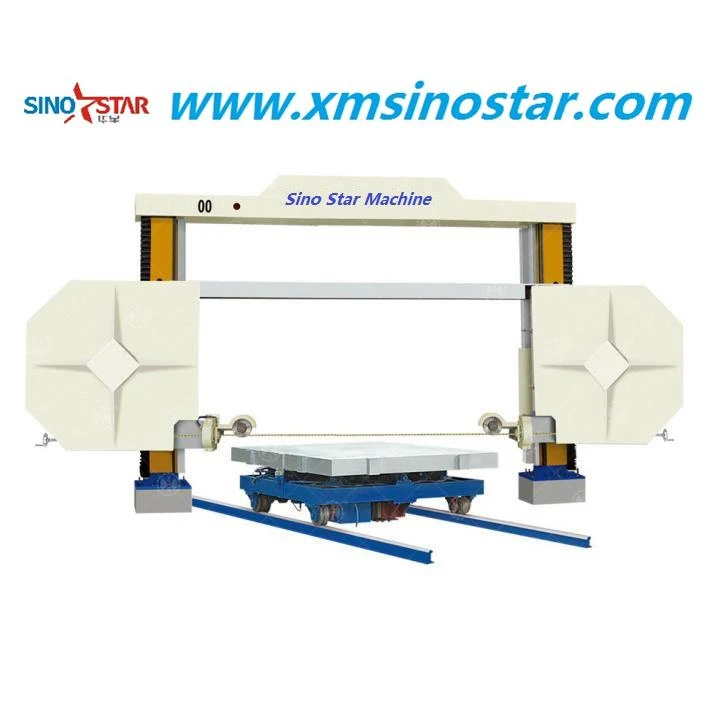
Let's start with the basics. A block wire saw machine is a powerful tool used in the stone - shaping industry. It can handle large blocks of stone, cutting them into the desired shapes and sizes. We offer a range of machines like the CNC Diamond Wire Saw Machine, Wire Saw Machine Block Cutting, and Wire Saw Profiling Machine.

1. Cutting Speed
The wire diameter has a direct impact on the cutting speed of a block wire saw machine. Generally, a thinner wire has less contact area with the stone block. This means there's less resistance when the wire is moving through the stone. As a result, the cutting speed can be relatively higher compared to a thicker wire.
For example, if you're using a very thin wire, say around 3 - 4 mm in diameter, it can zip through softer stones like limestone or sandstone quite quickly. The reduced friction allows the machine to operate at a faster pace, which is great for large - scale projects where time is of the essence.
On the other hand, a thicker wire, perhaps 6 - 8 mm or more, will have a larger contact area with the stone. This increased contact creates more friction, and the cutting speed will be slower. But don't write off thick wires just yet. They have their own advantages in other areas.
2. Cutting Accuracy
When it comes to cutting accuracy, wire diameter plays a key role. Thinner wires are more flexible. This flexibility allows them to follow complex cutting paths with greater precision. If you're working on a project that requires intricate shapes or detailed profiling, a thin wire is your best bet.
Let's say you're using a wire saw profiling machine to create a custom - designed stone sculpture. A thin wire can easily maneuver around curves and angles, giving you a high - quality, accurate cut. The smaller the wire diameter, the more detailed and precise the final product will be.
Thicker wires, however, are sturdier. They're less likely to deviate from a straight - line cut. So, if you're making simple, straight cuts on large stone blocks, a thick wire can ensure that the cut remains straight and true. For instance, when cutting large slabs of granite for building facades, a thick wire can provide a reliable, straight cut.
3. Wire Wear and Tear
Wire wear is a significant concern in block wire saw machines. The diameter of the wire affects how quickly it wears out. Thinner wires are more prone to wear because they have less material. As they cut through the hard stone, the abrasive nature of the stone gradually erodes the wire.
In a high - volume cutting environment, a thin wire may need to be replaced more frequently. This can increase the overall cost of the project due to the need for more wire replacements. You also have to factor in the downtime for changing the wire, which can slow down the production process.
Thicker wires, on the other hand, have more material to withstand the abrasion. They generally last longer and require less frequent replacement. This can save you money in the long run, especially for large - scale projects. However, keep in mind that thicker wires are usually more expensive upfront.
4. Power Consumption
Power consumption is another aspect influenced by wire diameter. A thinner wire requires less power to move through the stone because of the lower resistance. The block wire saw machine doesn't have to work as hard to drive the thin wire, which means lower power consumption. This can result in cost savings on your electricity bill, especially if you're running the machine for long hours.
Conversely, thicker wires need more power to operate. The increased friction caused by the larger contact area with the stone means the machine has to exert more force to move the wire. This higher power requirement can lead to increased operating costs over time.
5. Stone Type Compatibility
Different stone types have different hardness levels, and the wire diameter needs to be chosen accordingly. For softer stones like marble, a thinner wire can work well. The lower hardness of the stone allows the thin wire to cut through it easily without excessive wear. It can also provide a fast and accurate cut.
When dealing with harder stones like quartzite or some types of granite, a thicker wire is often necessary. The extra strength of the thick wire can withstand the high pressure and abrasion generated when cutting through these hard materials. A thin wire may break or wear out too quickly when trying to cut hard stones.
6. Cutting Depth
The wire diameter also affects the maximum cutting depth. Thicker wires can handle greater cutting depths. This is because they are more rigid and less likely to break under the pressure of cutting deep into a stone block. If you need to make deep cuts in large stone blocks, a thick wire is essential.
Thinner wires, due to their flexibility and lower strength, are generally limited in the cutting depth they can achieve. They may break if forced to cut too deeply, especially in hard stones. So, if your project requires shallow cuts, a thin wire can be sufficient, but for deeper cuts, you'll need to opt for a thicker wire.
Choosing the Right Wire Diameter
So, how do you choose the right wire diameter for your block wire saw machine? It all depends on your specific project requirements. If you're looking for speed and detailed cutting, a thin wire is a good choice. But if you need straight - line cuts, longer wire life, and the ability to cut through hard stones, a thick wire is the way to go.
Consider the type of stone you're working with, the complexity of the cutting task, and your budget. You may even need to use different wire diameters for different stages of a project. For example, you could start with a thick wire for rough cutting and then switch to a thin wire for finishing touches.
As a supplier of block wire saw machines, we understand that finding the right balance is crucial. We're here to help you make the best decision based on your needs. Whether you're a small - scale stone craftsman or a large construction company, we have the expertise to guide you.
If you're interested in learning more about our block wire saw machines or need advice on choosing the right wire diameter, don't hesitate to reach out. We can have a detailed discussion about your project and provide you with the best solutions.
In conclusion, wire diameter has a profound impact on the cutting performance of a block wire saw machine. By understanding these effects, you can optimize your cutting process, improve the quality of your work, and save on costs. So, think carefully about the wire diameter you use for your next project, and make the most of your block wire saw machine.
References
- Smith, J. (2020). "Advances in Stone Cutting Technology". Stone Industry Journal, 15(3), 45 - 52.
- Johnson, R. (2019). "Wire Saw Machine Performance Analysis". Manufacturing Technology Review, 22(2), 67 - 74.
Send Inquiry