

How to calibrate a saw for stone cutting?
Dec 18, 2025
Leave a message
Hey there! As a supplier of saws for stone cutting, I know how crucial it is to have your saw properly calibrated. A well - calibrated saw not only ensures accurate cuts but also extends the lifespan of your equipment and improves the overall quality of your stone - cutting projects. In this blog, I'll walk you through the steps on how to calibrate a saw for stone cutting.
Why Calibration Matters
Before we dive into the calibration process, let's talk about why it's so important. When you're cutting stone, precision is key. A misaligned saw can result in uneven cuts, which can be a huge headache, especially if you're working on a high - end project. Moreover, an uncalibrated saw puts extra stress on the blade and other components, leading to premature wear and tear. This means you'll have to replace parts more often, which can be costly in the long run.
Tools You'll Need
To calibrate your saw, you'll need a few basic tools. A feeler gauge is essential for measuring small gaps and ensuring proper alignment. You'll also need a torque wrench to tighten bolts to the correct specifications. A straightedge is useful for checking if the saw blade is running straight, and a spirit level can help you make sure the saw is level on its base.
Step 1: Check the Blade Alignment
The first step in calibrating your saw is to check the blade alignment. Start by unplugging the saw to ensure your safety. Then, use a straightedge to check if the blade is running parallel to the table. Place the straightedge along the edge of the table and align it with the blade. There should be a consistent gap between the blade and the straightedge all the way along. If the gap varies, it means the blade is misaligned.
To adjust the blade alignment, you'll need to loosen the bolts that hold the blade in place. Make small adjustments and then re - check the alignment with the straightedge. Once the blade is parallel to the table, tighten the bolts using a torque wrench. Make sure to follow the manufacturer's recommended torque settings to avoid over - or under - tightening.
Step 2: Level the Saw
A level saw is crucial for accurate cuts. Use a spirit level to check if the saw is level on its base. Place the spirit level on the table of the saw and check the bubble. If the bubble is not centered, the saw is not level.
To level the saw, you may need to adjust the feet on the base. Some saws have adjustable feet that you can turn to raise or lower the corners of the saw. Make small adjustments and re - check the level until the bubble is centered in the spirit level. This will ensure that your cuts are straight and true.
Step 3: Check the Blade Tension
Proper blade tension is important for the performance of your saw. A blade that is too loose can cause vibration and inaccurate cuts, while a blade that is too tight can put excessive stress on the motor and other components.
To check the blade tension, you can use a feeler gauge. Insert the feeler gauge between the blade and the pulley at a few different points. The thickness of the feeler gauge that can fit between the blade and the pulley should be consistent. If the blade is too loose, you'll need to adjust the tensioning mechanism. This usually involves turning a bolt or a knob to increase the tension. If the blade is too tight, loosen the tensioning mechanism slightly.
Step 4: Inspect the Guide Rails
The guide rails are what allow the saw to move smoothly during the cutting process. Over time, the guide rails can become dirty or worn, which can affect the saw's performance. Inspect the guide rails for any signs of damage or debris.
Clean the guide rails using a soft cloth and a mild cleaning solution. Make sure to remove any dirt, dust, or debris that may have accumulated. You can also lubricate the guide rails with a suitable lubricant to ensure smooth movement.
Step 5: Test the Saw
Once you've completed all the calibration steps, it's time to test the saw. Plug the saw back in and make a few test cuts on a scrap piece of stone. Check the quality of the cuts. The cuts should be straight and clean, with no signs of chipping or unevenness.
If the cuts are not satisfactory, go back and re - check the calibration steps. It may take a few tries to get the calibration just right, but it's worth the effort for accurate and high - quality cuts.
Different Types of Saws and Their Calibration
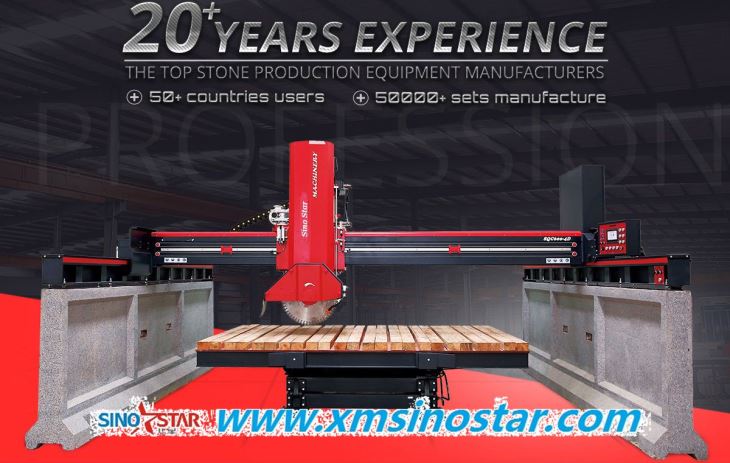
There are different types of saws for stone cutting, and each may have slightly different calibration requirements. For example, Granite Bridge Saw is designed for cutting granite and other hard stones. These saws often have more complex calibration procedures due to their larger size and more powerful motors.
The Automatic Bridge Saw Machine offers automated cutting capabilities, which means precise calibration is even more important to ensure accurate and consistent cuts. And the Bridge Saw 360 Rotation Table allows for cutting at different angles, so you'll need to pay special attention to the rotation mechanism's calibration.
Maintenance Tips for a Calibrated Saw
Once you've calibrated your saw, it's important to maintain it properly to keep it in good working condition. Regularly clean the saw after each use to remove any stone dust and debris. Check the blade for wear and replace it when necessary. Lubricate the moving parts as recommended by the manufacturer.

Conclusion
Calibrating a saw for stone cutting is not a difficult task, but it does require attention to detail and the right tools. By following these steps, you can ensure that your saw is properly calibrated and ready to make accurate and high - quality cuts.
If you're in the market for a new saw for stone cutting or need any replacement parts for your existing saw, don't hesitate to get in touch. We're here to help you find the best solution for your stone - cutting needs. Whether you're a professional contractor or a DIY enthusiast, we have the products and expertise to support you. Contact us today to start the procurement process and discuss your requirements.
References
- Manufacturer's manuals for saws for stone cutting
- Industry best practices for saw calibration
Send Inquiry