

How to calculate the cost - effectiveness of a slab polishing machine?
Jul 16, 2025
Leave a message
When it comes to the stone processing industry, a slab polishing machine is an indispensable piece of equipment. As a supplier of slab polishing machines, I understand that customers are always concerned about the cost - effectiveness of such machinery. In this blog, I'll share some insights on how to calculate the cost - effectiveness of a slab polishing machine.
1. Initial Investment
The first step in calculating cost - effectiveness is to consider the initial investment. This includes the purchase price of the slab polishing machine. Our Slab Polishing Machine is designed with advanced technology and high - quality materials, which may have a relatively higher upfront cost compared to some lower - end models. However, a higher initial investment often means better performance, longer service life, and fewer maintenance issues in the long run.
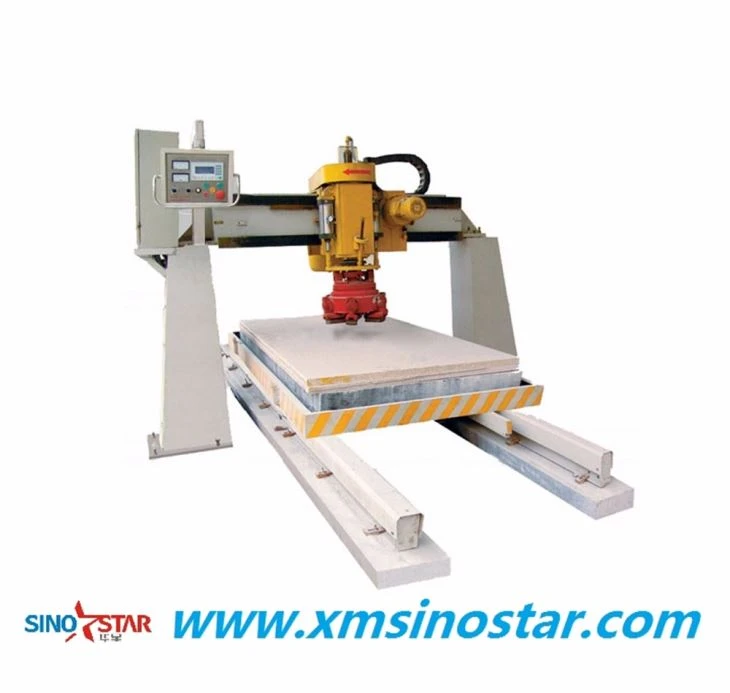

When evaluating the purchase price, it's important to compare different models and suppliers. Look at the features offered by each machine. For example, some slab polishing machines come with automated control systems that can improve the polishing accuracy and efficiency, while others may have a more basic design. Don't just focus on the price; consider what you're getting for your money.
In addition to the machine itself, you also need to factor in the cost of installation. Professional installation ensures that the machine operates safely and efficiently. Some suppliers, like us, offer installation services as part of the package, while others may charge an additional fee. Make sure to clarify these details before making a purchase.
2. Operating Costs
Operating costs are a significant part of the overall cost - effectiveness equation. These costs include electricity consumption, water usage (if applicable), and the cost of abrasive tools.
Electricity Consumption
A slab polishing machine typically consumes a certain amount of electricity during operation. The power consumption depends on the machine's power rating and the duration of use. To calculate the electricity cost, you need to know the power rating of the machine (in kilowatts) and the local electricity price (in dollars per kilowatt - hour). Multiply the power rating by the number of hours of operation per day and then by the electricity price to get the daily electricity cost. Over time, these costs can add up, so it's important to choose a machine with energy - efficient features. Our slab polishing machines are designed with energy - saving technology, which can significantly reduce electricity consumption without sacrificing performance.
Water Usage
Some slab polishing processes require water for cooling and dust suppression. The amount of water used depends on the machine's design and the polishing process. Calculate the water cost by multiplying the water consumption (in cubic meters) by the local water price (in dollars per cubic meter). Look for machines that have water - recycling systems, which can reduce water usage and lower the overall operating cost.
Abrasive Tools
Abrasive tools are essential for the polishing process, and they need to be replaced regularly. The cost of abrasive tools varies depending on the type, quality, and size. To calculate the cost of abrasive tools, estimate the number of tools needed per month and multiply it by the unit price of each tool. High - quality abrasive tools may cost more initially, but they often last longer and provide better polishing results, which can be more cost - effective in the long term.
3. Productivity
Productivity is a key factor in determining the cost - effectiveness of a slab polishing machine. A more productive machine can process more slabs in a given period, which means higher output and potentially more revenue.
Polishing Speed
The polishing speed of a machine is measured by the number of square meters it can polish per hour. A faster - polishing machine can complete more jobs in a shorter time, increasing the overall productivity. When comparing different machines, pay attention to their polishing speed specifications. However, it's important to note that speed should not come at the expense of quality. Our slab polishing machines are engineered to achieve a balance between high - speed polishing and excellent surface finish.
Throughput Capacity
Throughput capacity refers to the maximum number of slabs the machine can process in a day or a week. This depends on factors such as the machine's design, the size of the slabs it can handle, and the efficiency of the loading and unloading process. A machine with a higher throughput capacity can meet larger orders and increase your business's competitiveness.
4. Maintenance and Repair Costs
Maintenance and repair costs are inevitable over the life of a slab polishing machine. Regular maintenance helps to keep the machine in good working condition and prevent major breakdowns, which can be costly and disrupt your production schedule.
Routine Maintenance
Routine maintenance includes tasks such as cleaning, lubrication, and inspection. These tasks are usually carried out on a daily, weekly, or monthly basis, depending on the machine's usage. The cost of routine maintenance mainly includes the cost of cleaning agents, lubricants, and the labor time required for the maintenance work.
Repair Costs
Despite regular maintenance, breakdowns can still occur. Repair costs depend on the nature and severity of the problem. Minor repairs may only require the replacement of a small part, while major repairs may involve more complex components or even the entire system. Choose a machine from a reliable supplier that offers good after - sales service and has a readily available supply of spare parts. This can reduce the repair time and cost.
5. Quality of Polishing
The quality of the polished slabs is directly related to the cost - effectiveness of the machine. High - quality polishing can increase the market value of the slabs, allowing you to charge a higher price and potentially increase your profit margin.
Surface Finish
A good slab polishing machine should be able to achieve a smooth, shiny, and uniform surface finish. The surface finish is affected by factors such as the quality of the abrasive tools, the polishing pressure, and the machine's control system. Our slab polishing machines use advanced polishing technology to ensure a high - quality surface finish, which can meet the strict requirements of different customers.
Polishing Consistency
Consistency is also important in the polishing process. A machine that can produce consistent results across multiple slabs is more valuable. Inconsistent polishing may lead to rework, which increases the cost and reduces the productivity. Our machines are designed with precise control systems that can maintain a consistent polishing quality, minimizing the need for rework.
6. Return on Investment (ROI)
To get a comprehensive understanding of the cost - effectiveness of a slab polishing machine, you need to calculate the return on investment (ROI). ROI is calculated by dividing the net profit generated by the machine by the initial investment and then multiplying by 100 to get a percentage.
The net profit is the revenue generated from the polished slabs minus the total operating costs (including electricity, water, abrasive tools, maintenance, and repair costs). A higher ROI indicates that the machine is more cost - effective.
When calculating the ROI, you also need to consider the machine's service life. A machine with a longer service life can generate more profit over time, increasing the ROI. Our slab polishing machines are built to last, with high - quality components and a robust design that can withstand the rigors of continuous operation.
Conclusion
Calculating the cost - effectiveness of a slab polishing machine involves considering multiple factors, including the initial investment, operating costs, productivity, maintenance and repair costs, quality of polishing, and return on investment. As a supplier of slab polishing machines, we are committed to providing our customers with high - quality, cost - effective solutions. Our machines are designed to meet the diverse needs of the stone processing industry, whether you're a small - scale workshop or a large - scale manufacturing plant.
If you're interested in our Slab Polishing Machine, or our other products such as the Automatic Stone Edge Profiling Machine and Stone Bridge Polishing Machine, we invite you to contact us for more information and to discuss your specific requirements. We look forward to working with you to improve your stone processing operations and achieve greater cost - effectiveness.
References
- Stone Processing Machinery Handbook
- Industry reports on stone polishing machine performance and cost analysis
Send Inquiry