

What are the safety protection devices of a stone polishing machine?
Jul 16, 2025
Leave a message
As a seasoned supplier of stone polishing machines, I understand the paramount importance of safety in the operation of these powerful tools. Stone polishing machines are used extensively in the stone processing industry to give stones a smooth and shiny finish. However, without proper safety protection devices, the operation can pose significant risks to operators. In this blog post, I will delve into the various safety protection devices commonly found in stone polishing machines.
1. Emergency Stop Button
One of the most critical safety devices in a stone polishing machine is the emergency stop button. This button is typically bright red and prominently located on the control panel of the machine. In case of an emergency, such as a sudden malfunction, entanglement of clothing or body parts, or any other dangerous situation, the operator can immediately press the emergency stop button. When pressed, it cuts off the power supply to the machine, bringing all moving parts to an immediate halt. This rapid response can prevent serious injuries and minimize damage to the machine.
2. Protective Guards
Protective guards are essential safety features that enclose the moving parts of the stone polishing machine. These guards are usually made of sturdy materials such as metal or thick plastic. They prevent operators from accidentally coming into contact with rotating polishing heads, belts, or other moving components. For example, the polishing head guard shields the abrasive pads or wheels that are used to polish the stone. It not only protects the operator from physical contact but also prevents debris from flying out during the polishing process.
3. Dust Collection System
Stone polishing generates a significant amount of dust, which can be harmful to the health of operators if inhaled. A dust collection system is a crucial safety protection device that helps to mitigate this risk. It consists of a dust collector, ducts, and suction ports. The suction ports are strategically placed near the polishing area to capture the dust at the source. The dust is then transported through the ducts to the dust collector, where it is filtered and collected. This not only improves the air quality in the workplace but also reduces the risk of respiratory diseases such as silicosis, which can be caused by long - term exposure to silica dust from stone polishing.
4. Overload Protection
Overload protection is a safety mechanism that prevents the stone polishing machine from being damaged due to excessive load. When the machine is overloaded, for example, if the polishing head encounters a particularly hard or large stone, the overload protection device will detect the abnormal increase in current or torque. Once detected, it will automatically shut down the machine or reduce the power output to a safe level. This protects the motor and other components of the machine from burning out or suffering mechanical damage.
5. Belt Guard
The belt drive is a common power transmission mechanism in stone polishing machines. A belt guard is used to cover the belts and pulleys. It prevents operators from getting their clothing or body parts caught in the moving belts, which could lead to serious injuries such as lacerations, abrasions, or even amputation. The belt guard also protects the belts from external damage, ensuring their proper operation and longevity.
6. Safety Interlocks
Safety interlocks are devices that ensure the machine can only operate under safe conditions. For example, some stone polishing machines have door interlocks. If the access door to the machine is opened during operation, the interlock will detect it and immediately stop the machine. This prevents operators from accessing the dangerous internal parts of the machine while it is running. Another type of safety interlock can be related to the positioning of the stone on the machine. If the stone is not properly positioned, the machine will not start, reducing the risk of uneven polishing and potential accidents.

7. Anti - Vibration Mounts
Stone polishing machines generate a significant amount of vibration during operation. Prolonged exposure to high - level vibrations can cause hand - arm vibration syndrome (HAVS) in operators, which can lead to numbness, pain, and reduced grip strength. Anti - vibration mounts are installed at the base of the machine to absorb and reduce the vibrations transmitted to the operator. These mounts are usually made of rubber or other vibration - absorbing materials. By reducing the vibration, they not only improve the comfort of the operator but also reduce the risk of long - term health problems.
Our Product Range and Safety Assurance
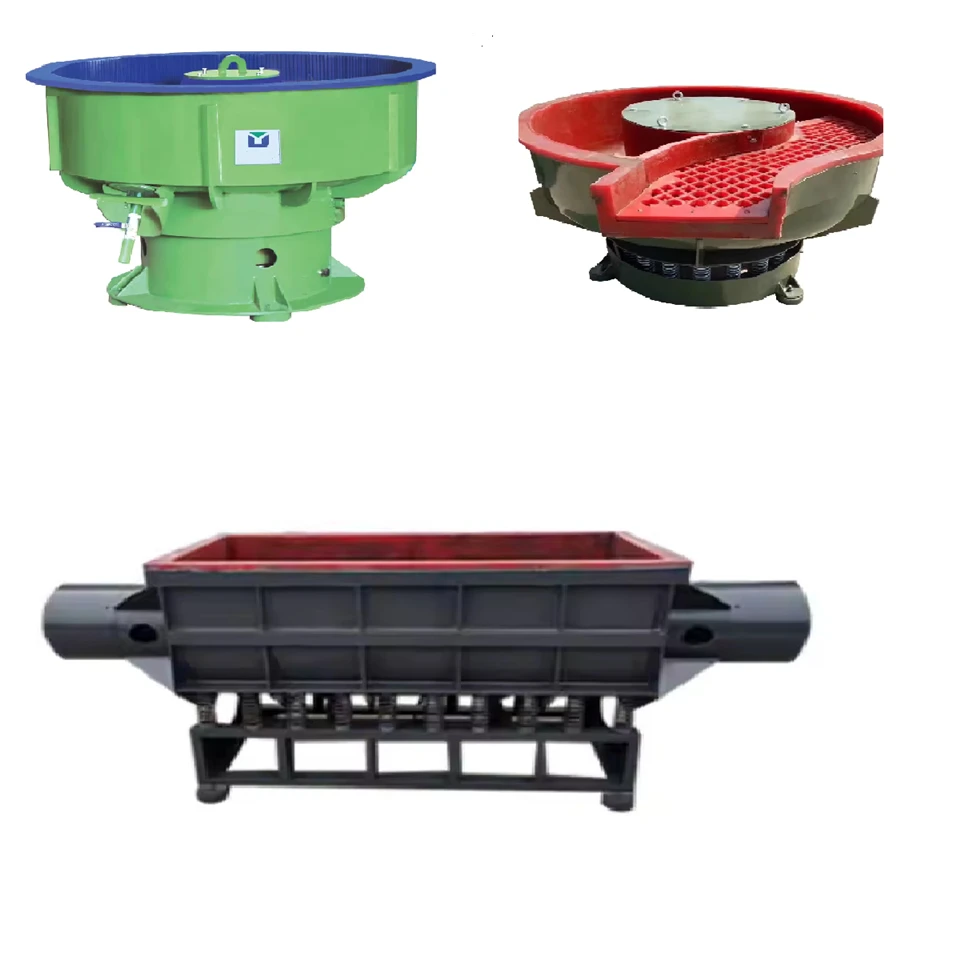
In addition to the standard safety protection devices, we also offer a wide range of stone processing machines, such as the Stone Bush Hammering Machine, Stone Calibration Machine, and Tumbler Vibratory Polisher Machine. All our machines are designed and manufactured with the highest safety standards in mind. We continuously invest in research and development to improve the safety features of our products and ensure the well - being of our customers.
Conclusion
Safety should always be the top priority when operating stone polishing machines. The various safety protection devices mentioned above play a crucial role in preventing accidents and protecting the health of operators. As a reliable supplier, we are committed to providing high - quality stone polishing machines with comprehensive safety features. If you are in the market for stone processing equipment, we encourage you to contact us for more information. Our team of experts is ready to assist you in choosing the right machine for your needs and answering any questions you may have about safety and operation.
References
- "Safety Guidelines for Stone Processing Equipment", International Stone Association.
- "Occupational Health and Safety in the Stone Industry", World Health Organization.
- "Handbook of Stone Polishing Technology", Stone Machinery Publishing.
Send Inquiry