

Can Stone Bridge Saw be used for cutting foam?
Jul 11, 2025
Leave a message
Can Stone Bridge Saw be used for cutting foam?
As a supplier of Stone Bridge Saws, I often encounter various inquiries from customers about the capabilities and applications of our products. One question that has come up quite frequently is whether a Stone Bridge Saw can be used for cutting foam. In this blog post, I will delve into this topic and provide a comprehensive analysis based on scientific knowledge and practical experience.
Understanding Stone Bridge Saws
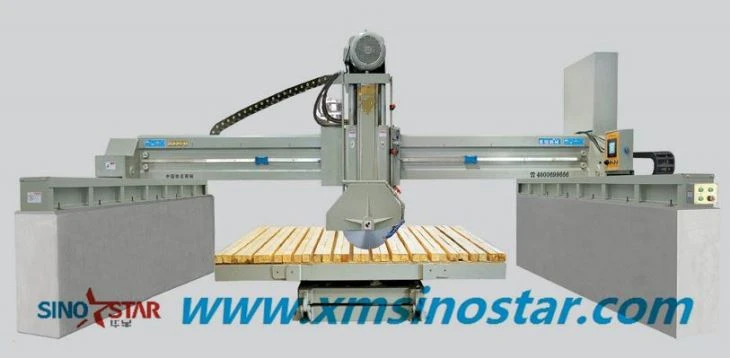
Before we discuss whether a Stone Bridge Saw can cut foam, it's essential to understand what a Stone Bridge Saw is and how it works. A Stone Bridge Saw, also known as a Bridge Cutter Machine, is a powerful and precise cutting tool designed primarily for cutting hard materials such as stone, granite, marble, and concrete. It consists of a bridge structure that spans across the cutting area, with a cutting blade mounted on a carriage that can move along the bridge. The blade is typically made of diamond or other hard - wearing materials, which are capable of withstanding the high pressure and friction required to cut through dense materials.
The cutting mechanism of a Stone Bridge Saw involves rotating the blade at high speed while moving it across the material to be cut. The high - speed rotation of the blade creates a shearing force that cuts through the material, leaving a smooth and precise cut. Stone Bridge Saws are known for their accuracy, efficiency, and ability to handle large - scale cutting projects, making them a popular choice in the stone processing industry.

Properties of Foam
Foam is a lightweight and porous material that comes in various types, including polyurethane foam, polystyrene foam, and polyethylene foam. These foams have different physical and chemical properties, but they generally share some common characteristics. Foam is soft, flexible, and has a low density compared to stone and other hard materials. It is also a good insulator, with excellent shock - absorbing and cushioning properties.
The cellular structure of foam gives it its unique properties. The cells in the foam can be open or closed, depending on the manufacturing process. Open - cell foams are more flexible and breathable, while closed - cell foams are more rigid and water - resistant.
Can a Stone Bridge Saw Cut Foam?
The short answer is yes, a Stone Bridge Saw can be used to cut foam, but it may not be the most suitable tool for the job. Here are some factors to consider:
Advantages of Using a Stone Bridge Saw for Cutting Foam
- Precision: Stone Bridge Saws are designed to provide high - precision cuts. If you need to cut foam into precise shapes or sizes, a Stone Bridge Saw can potentially offer the accuracy you require. For example, in applications where foam is used for custom - made packaging or architectural models, the precision of a Stone Bridge Saw can be an advantage.
- Power: Stone Bridge Saws have a high - powered motor that can generate enough force to cut through foam. This means that even thick or dense foam can be cut relatively quickly compared to using some manual cutting tools.
Disadvantages of Using a Stone Bridge Saw for Cutting Foam
- Blade Compatibility: The blades used in Stone Bridge Saws are designed for cutting hard materials like stone. These blades have a coarse and aggressive cutting edge that is optimized for removing large amounts of material quickly. When used to cut foam, the blade may cause the foam to tear or shred, rather than making a clean cut. The high - speed rotation of the blade can also generate heat, which may melt the foam and leave a rough or uneven surface.
- Dust and Debris: Cutting foam with a Stone Bridge Saw can generate a significant amount of dust and debris. The fine particles of foam can be difficult to clean up and may pose a health hazard if inhaled. Additionally, the dust can accumulate on the saw's components, potentially causing damage and reducing the saw's performance over time.
- Inefficiency: Stone Bridge Saws are optimized for cutting hard materials, and using them to cut foam may not be the most efficient way. There are other tools specifically designed for cutting foam, such as hot wire cutters, band saws with fine - tooth blades, and CNC routers, which can provide better results and are more cost - effective in the long run.
Alternative Tools for Cutting Foam
- Hot Wire Cutters: Hot wire cutters are one of the most popular tools for cutting foam. They work by heating a wire to a high temperature, which melts the foam as it passes through. Hot wire cutters can make clean and precise cuts, and they are particularly suitable for cutting polystyrene foam.
- Band Saws with Fine - Tooth Blades: Band saws with fine - tooth blades are another option for cutting foam. The fine teeth of the blade are designed to make smooth cuts through soft materials, reducing the risk of tearing or shredding the foam. Band saws are also more versatile than Stone Bridge Saws, as they can be used to cut foam into different shapes and sizes.
- CNC Routers: CNC (Computer Numerical Control) routers are automated cutting machines that can be programmed to cut foam into complex shapes with high precision. They use a rotating cutting tool to remove material from the foam, and they are often used in industrial applications where large - scale production of foam parts is required.
When to Consider Using a Stone Bridge Saw for Foam Cutting
Despite the limitations, there are some situations where using a Stone Bridge Saw for foam cutting may be a viable option.
- Large - Scale Foam Cutting: If you need to cut large pieces of foam quickly and have a Stone Bridge Saw available, it can be used as a temporary solution. For example, in a construction project where large amounts of foam insulation need to be cut to fit a specific area, a Stone Bridge Saw can be used to make the initial cuts.
- Custom - Made Foam Shapes: If you need to cut foam into custom shapes that require high precision and you don't have access to other specialized cutting tools, a Stone Bridge Saw can be used. However, you may need to experiment with different blade types and cutting speeds to achieve the best results.
Recommendations for Using a Stone Bridge Saw to Cut Foam
If you decide to use a Stone Bridge Saw to cut foam, here are some recommendations to help you achieve better results:
- Choose the Right Blade: Look for a blade with a finer tooth pattern or a blade specifically designed for cutting soft materials. Some manufacturers offer blades that can be used for both hard and soft materials, which may be a good option for cutting foam.
- Adjust the Cutting Speed: Reduce the cutting speed of the Stone Bridge Saw to prevent the foam from melting or tearing. A slower cutting speed will also give you more control over the cutting process.
- Use a Vacuum System: To minimize the dust and debris generated during cutting, use a vacuum system to collect the foam particles. This will help keep the work area clean and reduce the risk of health hazards.
Conclusion
In conclusion, while a Stone Bridge Saw can be used to cut foam, it may not be the most ideal tool for the job due to blade compatibility issues, potential damage to the foam, and the generation of dust. However, in certain situations where precision and power are required, or when other cutting tools are not available, a Stone Bridge Saw can be a viable option. If you are in the market for a Stone Bridge Saw, we offer a range of high - quality Stone Bridge Cutter and Granite Saw for Stone Cutting that are designed to meet your specific needs.
If you have any questions about our products or need more information on using a Stone Bridge Saw for cutting foam or other materials, please don't hesitate to contact us. We are always happy to assist you in finding the best cutting solution for your project.
References
- "Foam Materials: Properties and Applications" - A technical guide on foam materials and their uses.
- "Stone Processing Machinery Handbook" - A comprehensive handbook on stone processing machinery, including Stone Bridge Saws.
- "Cutting Techniques for Different Materials" - An article discussing various cutting techniques and tools for different materials.
Send Inquiry