

What is the power supply requirement for a slab polishing machine?
Jul 07, 2025
Leave a message
Hey there! As a supplier of Slab Polishing Machines, I often get asked about the power supply requirements for these machines. It's a crucial topic, as getting the power supply right can make or break the performance of your slab polishing machine. So, let's dive right in and explore what you need to know.
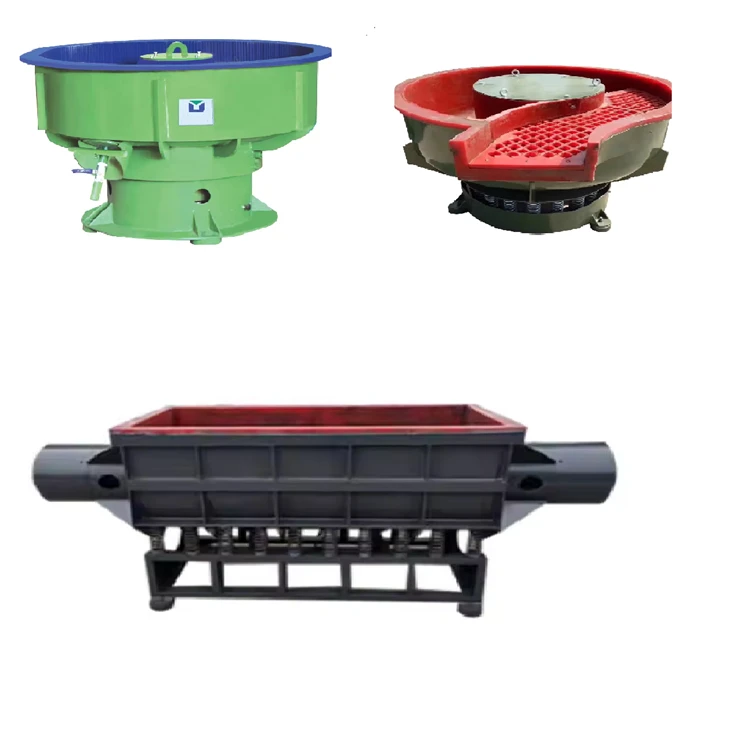

First off, let's understand why the power supply is so important. A slab polishing machine is a heavy - duty piece of equipment. It has motors, belts, and polishing heads that all need a reliable and appropriate power source to function correctly. If the power supply is too weak, the machine won't operate at its full capacity, leading to uneven polishing, slower processing times, and even potential damage to the machine over time. On the other hand, if the power supply is too strong or unstable, it can cause electrical surges that may fry the machine's components.
Voltage Requirements
The voltage requirement of a slab polishing machine is one of the most basic yet critical aspects. Most slab polishing machines in the market are designed to work with either 220V or 380V power supplies. The choice between these two depends on the size and power of the machine.
Smaller, more portable slab polishing machines often operate on a 220V power supply. These machines are great for small - scale projects or for workshops with limited power infrastructure. They are also easier to set up in different locations, as 220V is a common household voltage in many countries.
However, larger, industrial - grade slab polishing machines typically require a 380V power supply. These machines are built for high - volume production and have more powerful motors and advanced features. The 380V power supply can handle the high electrical load of these machines, ensuring smooth and efficient operation.
When you're choosing a slab polishing machine, make sure to check the voltage requirement specified by the manufacturer. If you're in a region where the standard voltage doesn't match the machine's requirement, you may need to use a voltage converter. But be careful, as using a converter can sometimes lead to power loss and may not be as reliable as a direct power supply.
Frequency Requirements
In addition to voltage, the frequency of the power supply is also important. The standard frequency in most countries is either 50Hz or 60Hz. Just like with voltage, your slab polishing machine is designed to work with a specific frequency.
Most slab polishing machines are built to be compatible with both 50Hz and 60Hz frequencies. But it's still a good idea to double - check the manufacturer's specifications. If the machine is not used with the correct frequency, it can cause the motors to run at the wrong speed, which can affect the polishing quality and the overall lifespan of the machine.
Power Consumption
Another factor to consider is the power consumption of the slab polishing machine. This is usually measured in kilowatts (kW). The power consumption can vary widely depending on the machine's size, the number of polishing heads, and the type of materials it's designed to polish.
A small - scale slab polishing machine may have a power consumption of around 2 - 5kW, while a large industrial machine can consume up to 20kW or more. Knowing the power consumption is important for several reasons. Firstly, it helps you estimate your electricity costs. Secondly, it allows you to ensure that your power supply can handle the load. If your power supply is not capable of providing enough power, it can lead to frequent tripping of circuit breakers or even cause damage to the machine.
Single - Phase vs. Three - Phase Power
You'll also need to decide between a single - phase and a three - phase power supply. Single - phase power is the most common type of power supply in residential areas. It's suitable for small slab polishing machines with lower power requirements.
Three - phase power, on the other hand, is more commonly used in industrial settings. It provides a more stable and efficient power supply, which is essential for large slab polishing machines. Three - phase power allows the machine to start up more smoothly and can handle higher electrical loads without overheating.
Ensuring a Stable Power Supply
To ensure the optimal performance of your slab polishing machine, it's crucial to have a stable power supply. Here are some tips to achieve this:
- Use a dedicated circuit: Don't connect your slab polishing machine to the same circuit as other high - power appliances. This can cause voltage drops and fluctuations, which can damage the machine.
- Install a voltage stabilizer: A voltage stabilizer can help maintain a constant voltage level, protecting your machine from power surges and dips.
- Regularly check your electrical system: Make sure that all the wiring, plugs, and sockets are in good condition. Loose connections or damaged wiring can cause electrical problems and pose a safety hazard.
Our Range of Slab Polishing Machines
At our company, we offer a wide range of slab polishing machines to meet different customer needs. Whether you're a small - scale stone fabricator or a large industrial manufacturer, we have the right machine for you. You can check out our Slab Polishing Machine on our website to see the different models and their specifications.
We also have other types of stone polishing machines, such as Tumbling Machine For Stone Polish and Stone Edge Polishing Machine. These machines are designed with the latest technology to provide high - quality polishing results.
Conclusion
Understanding the power supply requirements for a slab polishing machine is essential for getting the most out of your investment. By considering factors such as voltage, frequency, power consumption, and the type of power supply, you can ensure that your machine operates smoothly and efficiently.
If you're interested in purchasing a slab polishing machine or have any questions about power supply requirements, feel free to get in touch with us. We're here to help you make the right choice for your business. Let's work together to take your stone polishing projects to the next level!
References
- Manufacturer's manuals of various slab polishing machines
- Electrical engineering textbooks on industrial power systems
Send Inquiry