

What is the power source of a band saw machine?
Jul 14, 2025
Leave a message
A band saw machine is a versatile and powerful tool used in various industries, including woodworking, metalworking, and stone cutting. As a band saw machine supplier, I often receive inquiries about the power source of these machines. In this blog post, I will explore the different power sources available for band saw machines, their advantages and disadvantages, and how to choose the right one for your specific needs.
Electric Power
Electricity is the most common power source for band saw machines. It offers several advantages, making it a popular choice among users.
Advantages
- Convenience: Electric band saw machines are easy to operate and require minimal setup. They can be plugged into a standard electrical outlet, eliminating the need for additional fuel or power sources.
- Consistent Power: Electric motors provide a consistent and reliable power output, ensuring smooth and efficient cutting operations. This is particularly important for precision cutting tasks.
- Low Maintenance: Electric band saw machines generally have fewer moving parts compared to other power sources, resulting in lower maintenance requirements. They do not require fuel mixing or oil changes, reducing the overall cost of ownership.
- Environmentally Friendly: Electric power is a clean and renewable energy source, producing zero emissions during operation. This makes electric band saw machines a more environmentally friendly option compared to those powered by fossil fuels.
Disadvantages
- Limited Mobility: Electric band saw machines are dependent on a power outlet, which limits their mobility. They cannot be used in remote locations or areas without access to electricity.
- Power Outages: In the event of a power outage, electric band saw machines cannot be used. This can be a significant drawback for businesses that rely on continuous operation.
- Initial Cost: Electric band saw machines typically have a higher initial cost compared to those powered by other sources. However, the long-term savings in fuel and maintenance costs often offset the initial investment.
Hydraulic Power
Hydraulic power is another option for band saw machines, particularly in heavy-duty applications.
Advantages
- High Power Output: Hydraulic systems can generate a significant amount of power, making them suitable for cutting thick and hard materials. They can handle large-scale cutting operations with ease.
- Precision Control: Hydraulic band saw machines offer precise control over the cutting process, allowing for accurate and consistent cuts. The hydraulic system can be adjusted to vary the cutting speed and pressure, ensuring optimal performance.
- Durability: Hydraulic components are designed to withstand high pressures and heavy loads, making them highly durable. They are less prone to wear and tear compared to other power sources, resulting in a longer lifespan.
- Versatility: Hydraulic band saw machines can be used for a wide range of applications, including cutting wood, metal, and stone. They can be customized to meet specific requirements, making them a versatile option for different industries.
Disadvantages
- Complexity: Hydraulic systems are more complex than electric or mechanical systems, requiring specialized knowledge and skills for installation and maintenance. This can increase the overall cost of ownership.
- Fluid Leaks: Hydraulic systems rely on fluid to operate, and leaks can occur over time. These leaks can not only cause environmental damage but also reduce the efficiency of the machine.
- High Initial Cost: Hydraulic band saw machines typically have a higher initial cost compared to electric or mechanical machines. The cost of the hydraulic system and associated components can be significant.
- Noise and Vibration: Hydraulic systems can generate a significant amount of noise and vibration during operation, which can be a nuisance for operators and nearby workers.
Pneumatic Power
Pneumatic power, or compressed air, is a less common but viable option for band saw machines.
Advantages
- Lightweight and Portable: Pneumatic band saw machines are generally lightweight and portable, making them easy to move around and use in different locations. They do not require a heavy power source, allowing for greater flexibility.
- Low Cost: Pneumatic systems are relatively inexpensive compared to electric or hydraulic systems. They do not require expensive motors or pumps, reducing the initial cost of the machine.
- Safety: Pneumatic band saw machines are considered safer to operate compared to those powered by electricity or hydraulics. They do not produce sparks or heat, reducing the risk of fire or explosion.
- Easy Maintenance: Pneumatic systems are relatively simple and easy to maintain. They do not require complex electrical wiring or hydraulic fluid changes, making them a more user-friendly option.
Disadvantages
- Limited Power Output: Pneumatic band saw machines have a limited power output compared to electric or hydraulic machines. They are typically suitable for light to medium-duty cutting applications.
- Air Supply Requirements: Pneumatic systems require a reliable air supply, which can be a challenge in some locations. They need to be connected to an air compressor, which adds to the overall cost and complexity of the setup.
- Noise: Pneumatic systems can generate a significant amount of noise during operation, which can be a nuisance for operators and nearby workers.
- Air Quality: The quality of the compressed air can affect the performance of the pneumatic band saw machine. Contaminated air can cause damage to the machine's components, reducing its lifespan.
Choosing the Right Power Source
When choosing the power source for your band saw machine, several factors need to be considered, including the type of material you will be cutting, the size and scale of your operations, and your budget.
- Material Type: If you will be cutting thick and hard materials, such as metal or stone, a hydraulic or electric band saw machine with high power output may be required. For lighter materials, such as wood or plastic, a pneumatic or electric machine may be sufficient.
- Operation Scale: If you have a large-scale operation that requires continuous cutting, an electric or hydraulic band saw machine may be more suitable. For smaller-scale or intermittent operations, a pneumatic or electric machine may be a better choice.
- Budget: Your budget will also play a significant role in determining the power source for your band saw machine. Electric machines generally have a higher initial cost but lower long-term operating costs, while pneumatic machines are more affordable upfront but may have higher operating costs.
- Location: Consider the location where the band saw machine will be used. If it will be used in a remote area without access to electricity, a pneumatic or hydraulic machine may be necessary. If it will be used in a workshop with a reliable power supply, an electric machine may be the most convenient option.
As a band saw machine supplier, we offer a wide range of machines powered by different sources to meet the diverse needs of our customers. Whether you are looking for a Thin Slab Cutting Machine, a Stone Horizontal Slice Machine, or a Marble Band Saw Splitting Machine, we can provide you with the right solution.
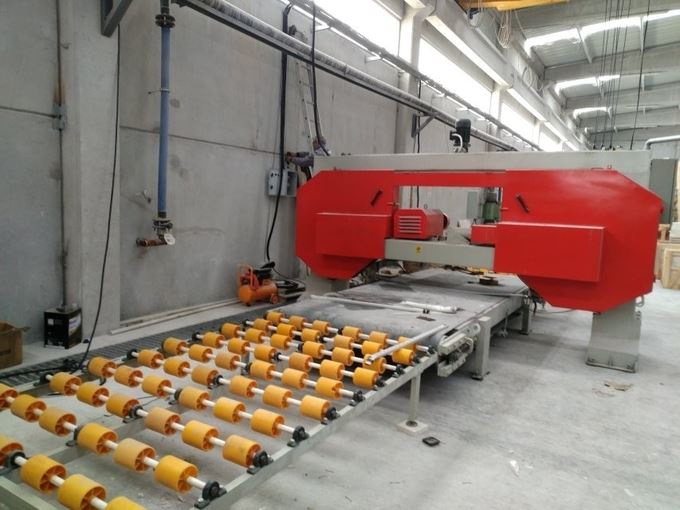

If you are interested in learning more about our band saw machines or would like to discuss your specific requirements, please feel free to contact us. Our team of experts is available to answer your questions and help you choose the best power source for your needs. We look forward to the opportunity to work with you and provide you with high-quality band saw machines that meet your expectations.
References
- "Band Saw Machines: A Comprehensive Guide." Machinery Equipment Magazine, Vol. 10, No. 2, 2022.
- "Power Sources for Industrial Cutting Machines." Manufacturing Technology Journal, Vol. 15, No. 3, 2021.
- "Choosing the Right Power Source for Your Band Saw Machine." Woodworking Today, Vol. 8, No. 4, 2020.
Send Inquiry