

What is the cutting noise reduction method for a Mono Block Bridge Saw?
Jun 26, 2025
Leave a message
In the realm of stone processing, the Mono Block Bridge Saw stands as a cornerstone of efficiency and precision. However, one persistent challenge that often plagues operators and nearby environments is the significant noise generated during the cutting process. As a leading supplier of Mono Block Bridge Saws, we understand the importance of addressing this issue not only for the comfort of operators but also for compliance with noise regulations and overall workplace safety. In this blog, we will explore various cutting noise reduction methods for Mono Block Bridge Saws.
Understanding the Sources of Cutting Noise
Before delving into the noise reduction methods, it's crucial to understand where the noise comes from during the cutting operation of a Mono Block Bridge Saw. The primary sources of noise include:
- Tool - Workpiece Interaction: When the saw blade comes into contact with the stone or tile, the friction and impact generate vibrations and sound waves. The harder the material and the higher the cutting speed, the louder the noise.
- Motor Operation: The motor that drives the saw blade and other components of the bridge saw produces noise due to the rotation of its internal parts, such as the rotor and bearings.
- Cooling System: The fans and pumps in the cooling system, which are essential for preventing the saw blade from overheating, can also contribute to the overall noise level.
Noise Reduction Methods
1. Blade Selection and Maintenance
- High - Quality Blades: Investing in high - quality saw blades can significantly reduce noise. Premium blades are designed with advanced tooth geometries and materials that can cut through the material more smoothly, minimizing vibrations and noise. For example, blades with laser - welded teeth or diamond - impregnated segments tend to perform better in terms of noise reduction compared to lower - quality alternatives.
- Proper Blade Sharpness: A dull blade requires more force to cut through the material, which leads to increased vibrations and noise. Regularly checking and sharpening the saw blade can ensure efficient cutting and reduce noise levels. We recommend following the manufacturer's guidelines for blade maintenance, including proper cleaning and storage.
2. Machine Design and Construction
- Vibration Damping: Incorporating vibration - damping materials and structures into the design of the Mono Block Bridge Saw can absorb and dissipate the vibrations generated during cutting. For instance, rubber or polyurethane pads can be used between the machine base and the floor to isolate the machine from the surrounding environment and reduce the transmission of vibrations. Additionally, adding counterweights or balancing mechanisms to the moving parts of the saw can help to balance the forces and minimize vibrations.
- Enclosures and Shields: Installing enclosures and shields around the cutting area can effectively contain the noise within a confined space. These enclosures can be made of sound - absorbing materials, such as fiberglass or acoustic foam, which can reduce the noise level reaching the operator and the surrounding area. Some modern bridge saws are equipped with fully enclosed cutting chambers that not only reduce noise but also provide protection against dust and debris.
3. Operating Parameters Optimization
- Cutting Speed and Feed Rate: Adjusting the cutting speed and feed rate to the appropriate values for the material being cut can help to reduce noise. Cutting too fast or applying too much pressure can cause the blade to chatter and generate excessive noise. On the other hand, cutting too slowly may also lead to inefficient cutting and increased noise due to the prolonged contact between the blade and the material. We recommend referring to the material's cutting data sheet or consulting with our technical support team to determine the optimal cutting parameters.
- Coolant Flow: Maintaining an adequate coolant flow is essential for reducing noise. The coolant helps to lubricate the cutting process, reducing friction between the blade and the material and preventing overheating. Insufficient coolant flow can cause the blade to bind and generate more noise. Make sure that the coolant pump is working properly and that the nozzles are not clogged.
4. Noise - Canceling Technology
- Active Noise Control (ANC): Some advanced Mono Block Bridge Saws are now equipped with active noise control systems. These systems use microphones to detect the noise generated during cutting and then generate an anti - noise signal that cancels out the original noise. ANC technology can be particularly effective in reducing low - frequency noise components, which are often the most difficult to address using traditional methods.
5. Workplace Design
- Isolation and Layout: Properly planning the layout of the workplace can help to reduce the impact of noise on the operators and other workers. Placing the Mono Block Bridge Saw in a separate room or area with sound - insulating walls can isolate the noise source. Additionally, arranging the workstations in a way that minimizes the exposure of workers to the noise can improve the overall working environment.
Benefits of Noise Reduction
- Operator Comfort and Health: Reducing the noise level in the workplace can improve the comfort of operators, reducing the risk of hearing loss and other noise - related health problems. Prolonged exposure to high - level noise can cause permanent damage to the ears, including tinnitus and hearing impairment. By implementing noise reduction measures, we can create a safer and more pleasant working environment for our operators.
- Compliance with Regulations: Many countries and regions have strict noise regulations in industrial workplaces. By reducing the noise level of our Mono Block Bridge Saws, we can ensure compliance with these regulations, avoiding potential fines and legal issues.
- Enhanced Productivity: A quieter workplace can lead to improved concentration and productivity among operators. When the noise level is reduced, operators can focus better on their tasks, resulting in fewer errors and higher - quality work.
Our Offerings
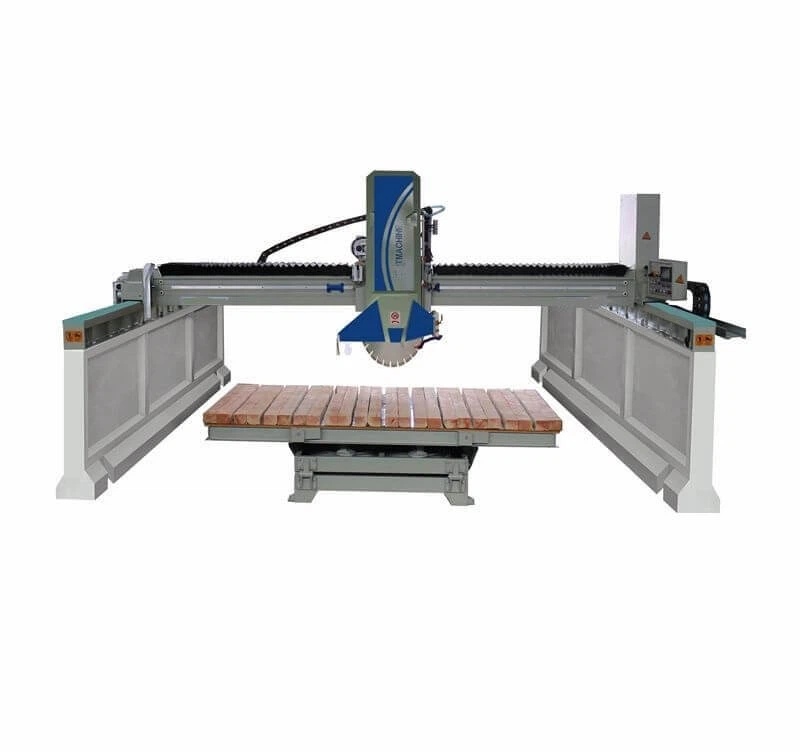
As a reliable supplier of Mono Block Bridge Saws, we are committed to providing our customers with high - quality machines that incorporate the latest noise reduction technologies. Our Bridge Saw Stone Tile Cutter is designed with advanced features to minimize noise, such as vibration - damping structures and high - quality saw blades. Our Automatic Bridge Saw Machine offers precise control over cutting parameters, allowing for efficient and quiet operation. And our Marble Bridge Saw is specifically tailored for cutting marble, with optimized blade selection and cooling systems to reduce noise.

Contact Us for Purchase and Consultation
If you are interested in our Mono Block Bridge Saws and want to learn more about our noise reduction solutions, we encourage you to contact us. Our team of experts is ready to provide you with detailed information, answer your questions, and assist you in selecting the right machine for your specific needs. Whether you are a small - scale stone fabricator or a large - scale industrial manufacturer, we have the products and expertise to meet your requirements.
References
- "Handbook of Noise and Vibration Control" by Cyril M. Harris.
- "Industrial Noise Control and Acoustics" by Charles M. Harris.
- Manufacturer's manuals for Mono Block Bridge Saws.
Send Inquiry