

What are the environmental impacts of using a slab cutting machine?
Dec 04, 2025
Leave a message
Hey there! As a supplier of slab cutting machines, I've seen firsthand how these bad boys can get the job done. But let's face it, with great power comes great responsibility, especially when it comes to the environment. So, I thought I'd take a deep dive into the environmental impacts of using a slab cutting machine.
Noise Pollution
One of the most obvious environmental impacts of slab cutting machines is noise pollution. These machines can be incredibly loud, especially when they're running at full tilt. The constant whirring and grinding can be a real nuisance for people living or working nearby.
The noise from slab cutting machines can have a significant impact on human health. Prolonged exposure to high levels of noise can lead to hearing loss, stress, and sleep disturbances. It can also affect wildlife, disrupting their natural behavior and communication patterns.
To mitigate the effects of noise pollution, it's important to use slab cutting machines in a responsible manner. This might mean using noise-reducing equipment, such as mufflers or sound barriers, or scheduling cutting operations during off-peak hours.
Air Pollution
Another major environmental concern associated with slab cutting machines is air pollution. When these machines cut through stone or other materials, they generate a significant amount of dust and particulate matter. This dust can contain harmful substances, such as silica, which can cause serious respiratory problems if inhaled.
In addition to dust, slab cutting machines can also emit other pollutants, such as carbon monoxide and nitrogen oxides. These pollutants can contribute to smog and other air quality problems, which can have a negative impact on human health and the environment.
To reduce air pollution from slab cutting machines, it's important to use proper ventilation systems and dust collection equipment. This can help to capture and remove dust and other pollutants from the air before they are released into the environment. It's also a good idea to use low-emission cutting tools and techniques, such as wet cutting, which can help to reduce the amount of dust generated during the cutting process.
Water Pollution
Slab cutting machines often require a significant amount of water to cool the cutting blade and prevent it from overheating. This water can become contaminated with dust, debris, and other pollutants during the cutting process. If this contaminated water is not properly treated before it is discharged, it can pose a serious threat to water quality and the environment.
Contaminated water from slab cutting operations can contain high levels of heavy metals, such as lead and mercury, as well as other harmful substances, such as oil and grease. These pollutants can have a negative impact on aquatic life, as well as human health if the contaminated water is used for drinking or other purposes.
To prevent water pollution from slab cutting machines, it's important to use proper water management practices. This might include using a closed-loop water system, which recirculates the water used during the cutting process and filters out contaminants before it is reused. It's also a good idea to treat the water before it is discharged into the environment to ensure that it meets all applicable water quality standards.
Energy Consumption
Slab cutting machines are typically powered by electricity or diesel fuel, both of which have a significant environmental impact. The production and consumption of electricity and diesel fuel can contribute to greenhouse gas emissions, which are a major cause of climate change.
In addition to greenhouse gas emissions, the production and consumption of electricity and diesel fuel can also have other environmental impacts, such as air pollution, water pollution, and land degradation. To reduce the environmental impact of slab cutting machines, it's important to use energy-efficient models and to optimize their operation to minimize energy consumption.
This might include using variable speed drives to adjust the speed of the cutting blade based on the material being cut, or using regenerative braking systems to capture and reuse energy that would otherwise be wasted. It's also a good idea to consider using renewable energy sources, such as solar or wind power, to power slab cutting machines whenever possible.
Waste Generation
Finally, slab cutting machines generate a significant amount of waste, including stone chips, dust, and other debris. This waste can be difficult to dispose of properly, and if it is not managed correctly, it can have a negative impact on the environment.

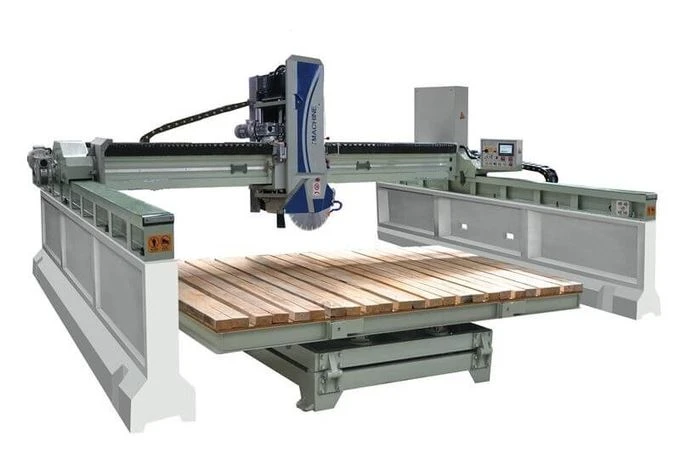
To reduce the amount of waste generated by slab cutting machines, it's important to use proper cutting techniques and tools to minimize the amount of material that is wasted during the cutting process. It's also a good idea to recycle or reuse the waste generated by slab cutting operations whenever possible.
For example, stone chips and dust can be used as aggregate in concrete or other construction materials, or they can be crushed and reused as fill material. By recycling or reusing waste from slab cutting operations, we can reduce the amount of waste that is sent to landfills and conserve natural resources.
Conclusion
As you can see, using a slab cutting machine can have a significant environmental impact. From noise and air pollution to water pollution, energy consumption, and waste generation, there are many factors to consider when using these machines.
However, by taking steps to minimize these impacts, such as using proper ventilation and dust collection equipment, optimizing energy consumption, and recycling or reusing waste, we can reduce the environmental footprint of slab cutting operations.
If you're in the market for a slab cutting machine, I encourage you to consider the environmental impact of the machine before making a purchase. Look for models that are energy-efficient, low-emission, and designed to minimize waste generation. And if you have any questions or need more information about the environmental impacts of slab cutting machines, don't hesitate to contact me.
At our company, we're committed to providing our customers with high-quality slab cutting machines that are both efficient and environmentally friendly. We offer a wide range of Automatic Slab Edge Trimming Machine, Stone Slab Cutting Machine, and Marble Edge Cutter that are designed to meet the needs of a variety of applications.
If you're interested in learning more about our products or would like to discuss your specific requirements, please don't hesitate to get in touch. We'd be happy to help you find the perfect slab cutting machine for your needs and to answer any questions you may have about the environmental impact of using these machines.
References
- Environmental Protection Agency. (n.d.). Noise Pollution. Retrieved from https://www.epa.gov/noise-pollution-and-control
- World Health Organization. (2018). Air Quality Guidelines - Global Update 2018: Particulate Matter (PM2.5 and PM10), Ozone, Nitrogen Dioxide, Sulphur Dioxide and Carbon Monoxide. Retrieved from https://www.who.int/publications/i/item/9789241515399
- United Nations Environment Programme. (2019). Water Pollution. Retrieved from https://www.unep.org/explore-topics/resource-efficiency/what-we-do/water-and-marine-resources/water-pollution
- International Energy Agency. (2020). Energy Efficiency. Retrieved from https://www.iea.org/topics/energy-efficiency
- Environmental Protection Agency. (n.d.). Waste Management. Retrieved from https://www.epa.gov/waste
Send Inquiry