

What are the disadvantages of a stone cutting machine?
Jul 17, 2025
Leave a message
Hey there! I'm a supplier of stone cutting machines, and I know these machines like the back of my hand. They're super useful, no doubt about it. But just like anything else, they've got their fair share of disadvantages. So, let's dive right in and talk about what those are.
High Initial Investment
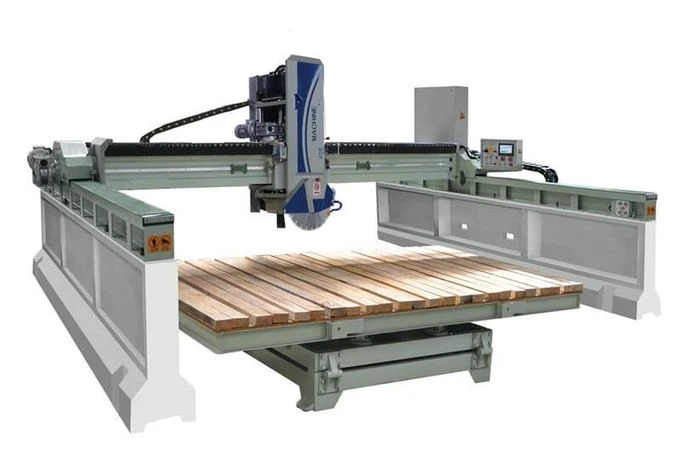
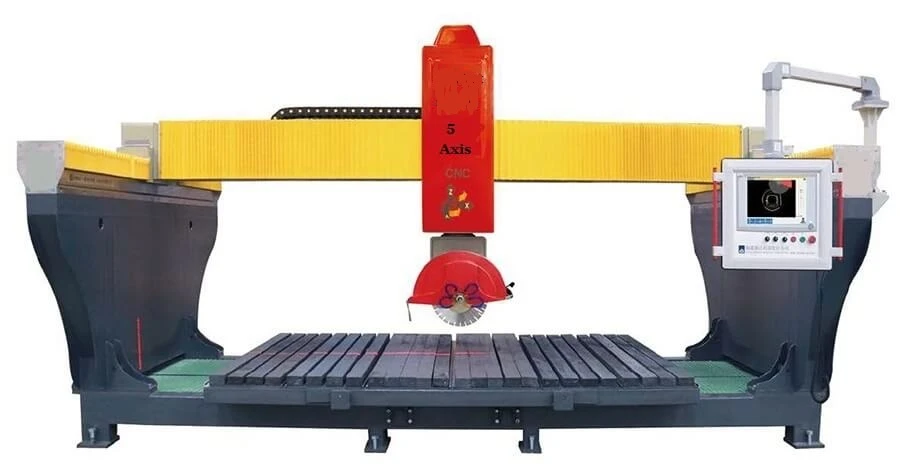
One of the biggest drawbacks of stone cutting machines is the high initial cost. Whether you're looking at a CNC Bridge Saw, a Marble Tile Cutter, or a 5 Axis Stone Cutting Machine, these machines don't come cheap. You're looking at shelling out a significant amount of money upfront.
For small businesses or individuals just starting out in the stone - cutting industry, this can be a real deal - breaker. You might have to take out a loan or find investors, which adds a whole new layer of stress. And even if you manage to scrape together the money, there's always the risk that the machine might not perform as expected, leaving you out of pocket.
Maintenance and Repair Costs
Once you've bought your stone cutting machine, the expenses don't stop there. Maintenance and repair costs can be pretty hefty. These machines are made up of a bunch of complex parts, and over time, they're going to wear out.
Regular maintenance is essential to keep the machine running smoothly. You've got to lubricate the moving parts, check the belts and pulleys, and make sure the cutting blades are sharp. All of this requires time, effort, and money. And if something goes wrong, like a major mechanical failure or an electrical problem, the repair bills can be astronomical.
Sometimes, it might even be more cost - effective to buy a new machine rather than fix the old one. This is especially true for older models that are no longer under warranty.
Noise and Vibration
Stone cutting machines are noisy beasts. When they're in operation, they can generate a ton of noise, which can be a real nuisance, not just for you but also for anyone in the vicinity. If you're working in a residential area, you're likely to get complaints from your neighbors.
The noise can also have a negative impact on your health. Prolonged exposure to high - decibel noise can cause hearing loss, stress, and other health problems. You've got to wear ear protection, which is another expense, and it can be uncomfortable to wear for long periods.
In addition to the noise, these machines also produce a lot of vibration. The vibration can affect the quality of the cut, making it less precise. It can also cause damage to the machine itself over time, loosening bolts and nuts and causing misalignments. And if you're using the machine for a long time, the vibration can be hard on your body, leading to fatigue and musculoskeletal problems.
Safety Risks
Safety is a major concern when it comes to stone cutting machines. These machines have sharp cutting blades that can cause serious injuries if you're not careful. There's a risk of cuts, lacerations, and even amputations.
The dust generated during the cutting process is also a health hazard. Stone dust contains silica, which can cause silicosis, a lung disease that can be fatal. You've got to wear a dust mask and have proper ventilation in your workspace to minimize the risk of inhaling the dust.
There's also the risk of electrical hazards, especially if the machine is not properly grounded or if there are any frayed wires. And if the machine is not installed correctly, it could tip over or malfunction, putting you in danger.
Limited Cutting Capabilities
Despite their advanced technology, stone cutting machines still have some limitations when it comes to cutting. Different types of stone have different properties, and some machines might not be able to cut certain types of stone effectively.
For example, very hard stones like granite can be tough to cut, and some machines might struggle to make a clean cut. The cutting speed might be slow, and the blades might wear out quickly. And if you're trying to cut complex shapes or curves, you might find that the machine's capabilities are limited.
You might need to use additional tools or techniques to achieve the desired result, which adds time and cost to your project.
Training Requirements
Operating a stone cutting machine is not something you can just pick up overnight. You need proper training to use these machines safely and effectively.
The training can take a while, and it might require you to attend a formal course or be trained on - site by an experienced operator. This takes time away from your work, and there's also the cost of the training itself.
Even after you've completed the training, you still need to keep up with the latest techniques and best practices. The technology is constantly evolving, and new models of stone cutting machines are being released all the time. If you don't stay updated, you might not be able to get the most out of your machine.
Environmental Impact
Stone cutting machines have a significant environmental impact. The dust generated during the cutting process is not only a health hazard but also an environmental pollutant. It can contaminate the air, soil, and water, and it can have a negative impact on the ecosystem.
The energy consumption of these machines is also a concern. They require a lot of electricity to operate, which contributes to greenhouse gas emissions. And if you're using a machine that runs on fossil fuels, like a diesel - powered saw, the environmental impact is even greater.
In addition, the disposal of worn - out parts and cutting blades can be a problem. These items often contain hazardous materials, and they need to be disposed of properly to avoid environmental contamination.
Dependence on Power Supply
Stone cutting machines are heavily dependent on a stable power supply. If there's a power outage or a voltage fluctuation, it can cause the machine to malfunction or stop working altogether.
This can be a major problem, especially if you're in the middle of an important project. You might lose all the work you've done so far, and it could take a while to get the machine up and running again.
In some areas, power outages are common, which makes it even more challenging to rely on these machines. You might need to invest in a backup power generator, which is another expense.
Compatibility Issues
If you're planning to integrate your stone cutting machine with other equipment or software, you might run into compatibility issues. Different machines and software have different operating systems and protocols, and getting them to work together can be a real headache.
For example, if you want to use a CAD/CAM system to design your cuts and then transfer the design to the stone cutting machine, you need to make sure that the two systems are compatible. Otherwise, you might end up with inaccurate cuts or a machine that won't accept the design.
Market Competition
The stone cutting machine market is highly competitive. There are a lot of suppliers out there, all offering similar products. This means that it can be tough to stand out and make a profit.
Customers are always looking for the best deal, and they're likely to compare prices, features, and performance before making a purchase. If your machine has some of the disadvantages I've mentioned, like high cost or limited capabilities, it might be harder to convince customers to choose your product over the competition.
Despite all these disadvantages, stone cutting machines are still an essential tool in the stone - cutting industry. They offer a level of precision and efficiency that would be impossible to achieve by hand. And if you're aware of the drawbacks and take steps to mitigate them, you can still make the most of your machine.
If you're thinking about buying a stone cutting machine, I'd be more than happy to have a chat with you. I can help you understand the pros and cons in more detail and find the machine that's right for your needs. Just reach out, and we can start the conversation.
References
- General knowledge about stone cutting machines from years of experience in the industry.
- Industry reports on the costs and challenges associated with stone cutting machines.
- Safety guidelines and research on the health and environmental impacts of stone cutting operations.
Send Inquiry