

How to transport a Marble Bridge Saw safely?
Aug 07, 2025
Leave a message
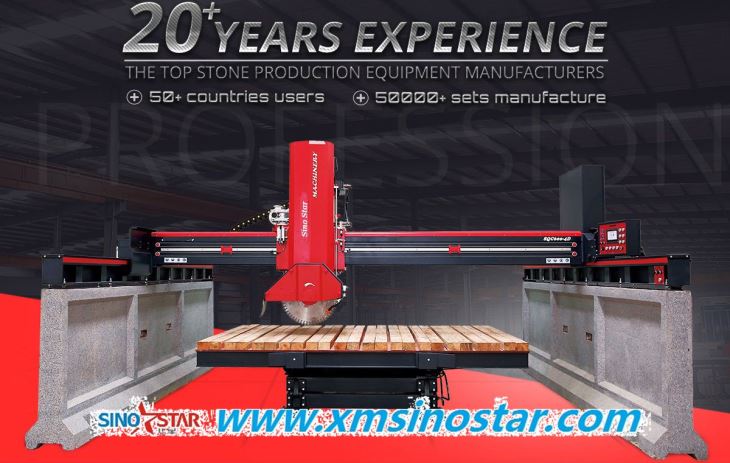
As a supplier of Marble Bridge Saws, I understand the importance of safely transporting these valuable and heavy - duty machines. Marble Bridge Saws are essential tools in the stone processing industry, and ensuring their safe transportation is crucial to maintain their functionality and value. In this blog, I'll share some key steps and considerations for safely transporting a Marble Bridge Saw.
Pre - Transport Preparation
1. Machine Inspection
Before any transportation, a thorough inspection of the Marble Bridge Saw is necessary. Check for any loose parts, damaged components, or signs of wear and tear. Tighten all bolts and screws, and make sure that the cutting blade is properly secured. This inspection helps to identify potential issues that could worsen during transit and cause more significant damage.
2. Cleaning
Clean the saw thoroughly. Remove any debris, dust, or stone particles from the machine. This not only makes the saw look presentable but also prevents any loose particles from causing damage to internal components during transportation. Use appropriate cleaning agents and tools, and pay special attention to hard - to - reach areas such as the blade guards and the control panel.

3. Disassembly (if necessary)
In some cases, it may be advisable to disassemble certain parts of the Marble Bridge Saw for easier and safer transportation. For example, the cutting blade, control panels, and any detachable accessories can be removed. However, this should be done carefully, following the manufacturer's instructions. Keep all the removed parts in a labeled container and make sure to document the disassembly process for easy reassembly later.
4. Protecting Sensitive Components
Identify the sensitive components of the saw, such as the electrical system, hydraulic parts, and the precision cutting mechanism. Wrap these components with protective materials like foam, bubble wrap, or specialized anti - vibration padding. This helps to absorb shocks and vibrations during transit and protects the components from damage.
Packaging
1. Choosing the Right Packaging Materials
Select high - quality packaging materials that can withstand the rigors of transportation. Wooden crates are often a good choice for Marble Bridge Saws due to their strength and durability. The crate should be custom - made to fit the dimensions of the saw, providing a snug and secure fit. Additionally, use pallets to elevate the saw off the ground and prevent moisture damage.
2. Securing the Saw in the Package
Once the saw is placed in the crate, use straps, ropes, or brackets to secure it firmly. This prevents the saw from shifting or moving during transit, which could lead to damage. Make sure that all the secured points are strong enough to hold the weight of the saw and withstand any sudden movements.
3. Adding Cushioning
Line the inside of the crate with additional cushioning materials such as styrofoam inserts or rubber mats. This further absorbs shocks and vibrations and provides an extra layer of protection for the saw. Place the cushioning materials around the saw, especially around the corners and edges where damage is more likely to occur.
Transportation Mode Selection
1. Road Transportation
Road transportation is a common choice for transporting Marble Bridge Saws, especially for local or regional deliveries. When choosing a truck for transportation, ensure that it has a flatbed or a trailer that can accommodate the size and weight of the saw. The truck should also be equipped with proper tie - down points and restraints to secure the package.
2. Rail Transportation
For longer - distance deliveries, rail transportation can be a cost - effective option. However, it is important to work with a reliable rail freight carrier that has experience in transporting heavy machinery. The saw should be properly packaged and secured on the railcar to prevent any movement during transit.
3. Sea Transportation
If the saw needs to be transported overseas, sea transportation is the most viable option. Use a shipping container that is in good condition and has the necessary ventilation and protection against moisture. Make sure to follow all the international shipping regulations and obtain the required documentation for customs clearance.
Handling During Transportation
1. Loading and Unloading
During loading and unloading, use appropriate lifting equipment such as cranes or forklifts. The operators should be trained and experienced in handling heavy machinery to avoid any accidents. Make sure that the lifting points on the saw or its packaging are properly identified and used to ensure a balanced and safe lift.
2. Route Planning
When transporting the saw by road, plan the route carefully. Avoid rough roads, potholes, and areas with heavy traffic if possible. This reduces the risk of damage caused by vibrations and sudden stops. For long - distance transportation, consider making regular stops to check the condition of the package and the saw.
3. Monitoring
If possible, use tracking devices to monitor the location and condition of the saw during transportation. This allows you to be aware of any delays or potential issues and take appropriate actions in a timely manner.
Post - Transport Checks
1. Reassembly
Once the saw arrives at its destination, reassemble the parts that were disassembled before transportation. Follow the documentation of the disassembly process to ensure that all parts are installed correctly. Check all the connections and make sure that the saw is properly aligned.
2. Testing
After reassembly, conduct a series of tests to ensure that the saw is functioning properly. Check the electrical system, the hydraulic system, and the cutting performance. Make any necessary adjustments or repairs if any issues are detected.
3. Final Inspection
Perform a final inspection of the saw to check for any signs of damage that may have occurred during transportation. Look for any dents, scratches, or misalignments. If any damage is found, document it and contact the transportation provider or the insurance company if applicable.
In addition to Marble Bridge Saws, we also offer other related products such as Granite Bridge Saw, Granite Bridge Cutter, and Mono Block Bridge Saw. These products are also subject to the same high - standard transportation procedures to ensure their safe arrival at your facility.
If you are in the market for a Marble Bridge Saw or any of our other stone - cutting machines, I encourage you to contact us for a detailed discussion. Our team of experts is ready to assist you with your purchase and provide you with all the necessary information about our products and transportation services.
References
- Industry standards for heavy machinery transportation
- Manufacturer's guidelines for Marble Bridge Saw disassembly and assembly
- Best practices in packaging and shipping of industrial equipment
Send Inquiry