

How to adjust the cutting pressure of a saw for stone cutting?
Sep 01, 2025
Leave a message
Hey there! I'm a supplier of saws for stone cutting, and I've seen a lot of folks struggling with getting the cutting pressure just right. It's a crucial part of the stone - cutting process, and getting it wrong can lead to all sorts of issues, like uneven cuts, damaged saw blades, or even ruined stone pieces. So, in this blog, I'm gonna share some tips on how to adjust the cutting pressure of a saw for stone cutting.
First off, let's understand why cutting pressure matters. When you're cutting stone, the pressure you apply affects how the saw blade interacts with the stone. Too much pressure, and the blade can overheat, wear out quickly, or even break. On the other hand, too little pressure and the blade won't cut through the stone efficiently, leading to a slower cutting process and potentially rough cuts.
Factors Affecting Cutting Pressure
There are several factors that you need to consider when adjusting the cutting pressure.
Type of Stone
Different types of stone have different hardness levels. For example, granite is a very hard stone, while marble is relatively softer. Harder stones generally require more cutting pressure to make a clean cut. When you're dealing with a Granite Saw for Stone Cutting, you'll need to set the pressure higher compared to when you're cutting marble. You can start with a lower pressure and gradually increase it until you find the sweet spot where the blade cuts through the granite smoothly without overworking.
Thickness of the Stone
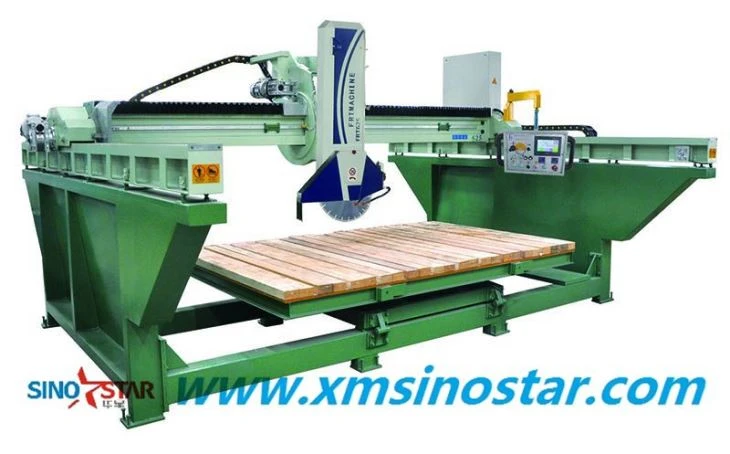
Thicker stones also demand more cutting pressure. A thin slab of stone might only need a light touch, but as the thickness increases, you'll have to crank up the pressure. If you're using a Bridge Miter Saw to cut a thick piece of stone, make sure you adjust the pressure accordingly. You don't want to force the saw through the stone too quickly, as it can cause the blade to bind or break.
Saw Blade Quality
The quality of the saw blade plays a huge role in determining the cutting pressure. A high - quality blade is designed to cut through stone more efficiently and can handle higher pressures. Cheaper blades might not be able to withstand the same level of pressure without getting damaged. So, invest in a good saw blade, and you'll have an easier time adjusting the cutting pressure.
How to Adjust the Cutting Pressure
Now that we know what factors affect the cutting pressure, let's talk about how to actually adjust it.
Manual Saws
If you're using a manual saw, adjusting the cutting pressure is more about your physical strength and technique. Start by holding the saw firmly but not too tightly. Apply a gentle, even pressure as you start cutting. As you go deeper into the stone, you can gradually increase the pressure, but be careful not to push too hard. You should be able to feel the saw blade working through the stone. If it starts to bind or make a screeching noise, ease up on the pressure.
Electric Saws
For electric saws, most models come with an adjustable pressure mechanism. Usually, there's a dial or a lever that you can use to increase or decrease the pressure. Before you start cutting, consult the user manual to find out how to adjust the pressure on your specific saw. Start with a low setting and make a test cut on a scrap piece of stone. Check the quality of the cut. If it's too slow or the blade isn't cutting through cleanly, increase the pressure slightly and try again. Keep doing this until you get a smooth, efficient cut.
Hydraulic Saws
Hydraulic saws are a bit more advanced, and they often have a more precise pressure adjustment system. These saws use hydraulic fluid to control the pressure applied to the saw blade. To adjust the pressure on a hydraulic saw, you'll typically need to use a pressure gauge and a control valve. Just like with electric saws, start with a low pressure setting and make test cuts. Monitor the performance of the saw and the quality of the cuts. Make small adjustments to the pressure until you achieve the desired results.
Monitoring the Cutting Process
Once you've adjusted the cutting pressure, it's important to monitor the cutting process. Keep an eye on the saw blade and the stone. If the blade starts to overheat, it could be a sign that the pressure is too high. Overheating can cause the blade to lose its sharpness and eventually break. You can tell if the blade is overheating if it starts to smoke or if there's a burning smell. If this happens, stop the cutting immediately and reduce the pressure.

Also, check the quality of the cuts regularly. Look for any signs of unevenness, chipping, or rough edges. If you notice any of these issues, it might be time to adjust the cutting pressure again. Sometimes, the pressure might need to be adjusted slightly as you cut through different parts of the stone, especially if the stone has variations in hardness.
Troubleshooting Cutting Pressure Issues
Even if you follow all the steps, you might still run into some issues with the cutting pressure. Here are some common problems and how to fix them.
Blade Binding
If the saw blade binds in the stone, it means that the pressure is either too high or the blade is dull. Try reducing the pressure first. If that doesn't work, check the blade for signs of wear and tear. If the blade is dull, replace it with a new one.
Slow Cutting
A slow - cutting process could indicate that the pressure is too low. Increase the pressure slightly and see if the cutting speed improves. Also, make sure that the saw blade is sharp and in good condition.
Rough Cuts
Rough cuts can be caused by inconsistent pressure. Make sure that you're applying an even pressure throughout the cutting process. If the problem persists, it could be due to a dull blade or an incorrect blade for the type of stone you're cutting.
Conclusion
Adjusting the cutting pressure of a saw for stone cutting is a skill that takes some practice. By considering the type and thickness of the stone, the quality of the saw blade, and following the proper adjustment methods, you can achieve clean, efficient cuts every time. Whether you're using a Granite Saw for Stone Cutting, a Bridge Miter Saw, or a Stone Bridge Cutter, getting the cutting pressure right is essential for a successful stone - cutting project.
If you're in the market for high - quality saws for stone cutting or need more advice on adjusting the cutting pressure, don't hesitate to reach out. We're here to help you make the most of your stone - cutting experience.
References
- Stone Cutting Machinery Handbook
- Professional Stone Cutting Guidebooks
Send Inquiry