

How often should I change the blade of a Bridge Miter Saw?
Nov 12, 2025
Leave a message
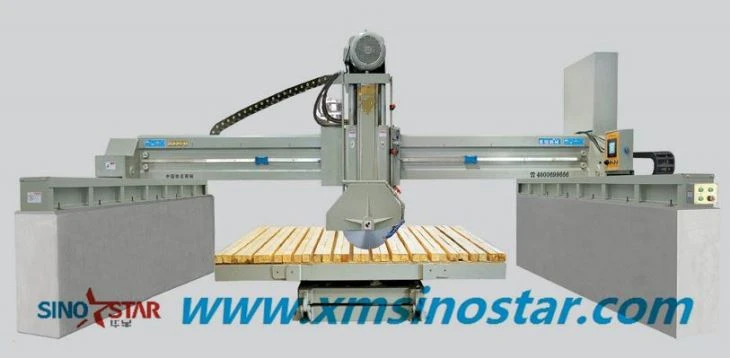
Hey there! As a supplier of Bridge Miter Saws, I often get asked the question: "How often should I change the blade of a Bridge Miter Saw?" Well, there isn't a one - size - fits - all answer to this, but I'm gonna break down the factors that can help you figure it out.
1. Type of Material You're Cutting
The first thing that really affects blade life is the material you're using the saw on. If you're cutting through softwoods like pine or cedar, your blade is gonna last a lot longer compared to when you're working with hardwoods such as oak or maple. Softwoods are less dense, so they put less stress on the blade teeth. You might be able to make hundreds of cuts on softwood before you start noticing a decline in performance.
On the other hand, hardwoods are much denser and contain more abrasive particles. These particles wear down the blade teeth faster. For instance, if you're cutting a lot of oak for a furniture - making project, you may need to change the blade after 50 - 100 cuts, depending on the thickness of the wood.
And then there's stone. Using a Bridge Miter Saw to cut stone is a whole different ballgame. Stone is extremely hard and abrasive. Even with a high - quality diamond - tipped blade, you'll notice significant wear after just a few cuts. If you're in the business of cutting marble or granite, you might need to change the blade after every 10 - 20 cuts, especially if you're making thick or long cuts. Check out our Bridge Saw 360 Rotation Table which is great for precise stone cutting.
2. Frequency of Use
How often you use your Bridge Miter Saw also plays a huge role. If you're a hobbyist who only uses the saw once in a while for small projects around the house, your blade can last for years. You're not putting a lot of strain on it, and there's plenty of time between uses for the blade to cool down and recover.
But if you're a professional contractor or a woodworker who uses the saw all day, every day, the blade will wear out much faster. Continuous use generates a lot of heat, which can dull the blade teeth more quickly. In a high - volume production environment, you might need to change the blade weekly or even more frequently, depending on the type of work.
3. Cutting Techniques
Your cutting techniques can either extend or shorten the life of your blade. For example, if you force the saw through the material instead of letting the blade do the work at its own pace, you're going to put extra stress on the blade. This can cause the teeth to chip or break, and it'll definitely wear out the blade faster.
Also, using the wrong feed rate can be a problem. If you're going too fast, the blade won't have enough time to cut through the material cleanly, which can lead to overheating and premature wear. On the flip side, if you're going too slow, the blade can get clogged with sawdust, which also affects its performance.
Proper blade alignment is another important factor. If the blade isn't aligned correctly, it can cause uneven wear on the teeth. This means that some teeth will wear out faster than others, and you'll end up with a blade that doesn't cut as smoothly or accurately.
4. Blade Quality
The quality of the blade you're using is a no - brainer. High - quality blades are made with better materials and manufacturing processes. They're designed to stay sharp longer and resist wear. A cheap blade might seem like a good deal at first, but it'll probably need to be replaced more often, which can end up costing you more in the long run.
Our Bridge Cutter Machine is compatible with high - quality blades that are built to last. When you invest in a good blade, you're not only getting a longer - lasting tool but also a cleaner and more precise cut.
5. Maintenance
Regular maintenance can significantly extend the life of your Bridge Miter Saw blade. After each use, you should clean the blade to remove any sawdust, resin, or debris. You can use a blade cleaner or a simple mixture of water and mild detergent. Make sure to dry the blade thoroughly to prevent rust.
Sharpening the blade is also an option. If you notice that the blade is starting to dull but isn't completely worn out, you can take it to a professional sharpener or use a blade - sharpening kit if you're confident in your skills. However, keep in mind that there's a limit to how many times you can sharpen a blade. Eventually, the teeth will get too small, and you'll need to replace it.
Signs That It's Time to Change the Blade
So, how do you know when it's time to change the blade? Here are some tell - tale signs:

- Poor Cutting Performance: If the saw is struggling to cut through the material, leaving rough edges or burning the wood, it's a sign that the blade is dull.
- Excessive Vibration: A worn - out blade can cause the saw to vibrate more than usual. This not only makes the cutting process less precise but can also be dangerous.
- Visible Wear: Take a close look at the blade teeth. If you see that the teeth are chipped, broken, or significantly worn down, it's time for a new blade.
Conclusion
In conclusion, there's no fixed rule for how often you should change the blade of a Bridge Miter Saw. It depends on the type of material you're cutting, how often you use the saw, your cutting techniques, the quality of the blade, and how well you maintain it.
If you're still not sure about when to change your blade or need advice on choosing the right blade for your project, don't hesitate to reach out. We're here to help you get the most out of your Bridge Miter Saw. Whether you're a DIY enthusiast or a professional, our Monoblock Bridge Saw and other products are designed to meet your needs.
If you're interested in purchasing a new blade or a Bridge Miter Saw, or if you have any questions about our products, we'd love to have a chat with you. Just contact us to start the conversation and let's find the best solution for your cutting needs.
References
- Woodworking Magazine: Articles on blade maintenance and replacement.
- Stone Cutting Industry Reports: Data on blade wear when cutting different types of stone.
- Manufacturer's Guides for Bridge Miter Saws: Information on recommended blade usage and replacement.
Send Inquiry