

What is the noise level of a stone polishing machine during operation?
Aug 12, 2025
Leave a message
When it comes to the operation of stone polishing machines, one crucial aspect that often gets overlooked is the noise level. As a supplier of stone polishing machines, I've received numerous inquiries from customers about this very topic. In this blog post, I'll delve into the noise levels of stone polishing machines during operation, exploring the factors that influence them and how they can impact your work environment.
Understanding Noise Levels in Stone Polishing Machines
The noise level of a stone polishing machine is typically measured in decibels (dB). A decibel is a unit used to express the ratio of one sound intensity to another on a logarithmic scale. In the context of stone polishing machines, the noise level can vary significantly depending on several factors, including the type of machine, its power, the materials being polished, and the operating conditions.
Types of Stone Polishing Machines and Their Noise Levels
There are several types of stone polishing machines available in the market, each with its own unique noise characteristics. Let's take a closer look at some of the most common types:
-
Mosaic Tile Polishing Machine: Mosaic tile polishing machines are designed to polish small, intricate tiles. These machines are generally smaller and less powerful than other types of stone polishing machines, resulting in relatively lower noise levels. On average, a mosaic tile polishing machine can produce noise levels ranging from 70 to 80 dB. You can learn more about our Mosaic Tile Polishing Machine here.
-
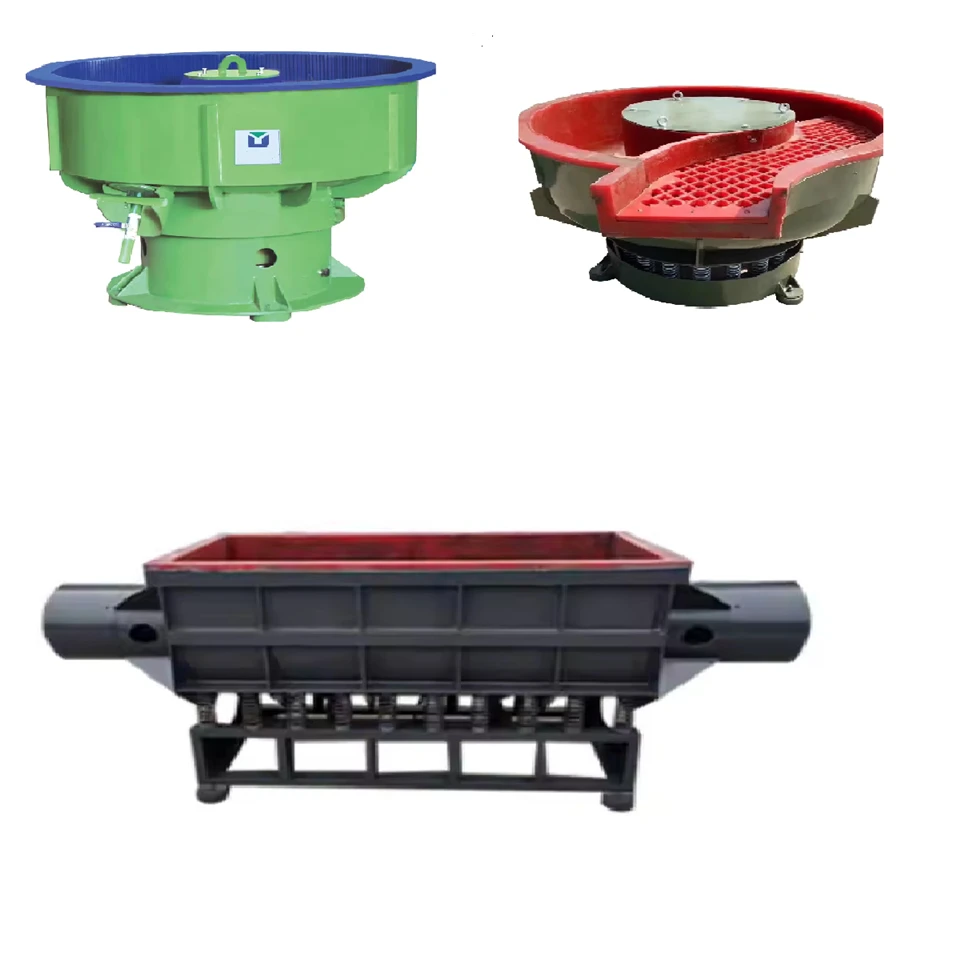
Tumbler Vibratory Polisher Machine: Tumbler vibratory polisher machines use vibration to polish stones. These machines are known for their gentle polishing action and relatively low noise levels. The noise produced by a tumbler vibratory polisher machine typically ranges from 65 to 75 dB. For more information on our Tumbler Vibratory Polisher Machine, click the link.
-
Stone Calibration Machine: Stone calibration machines are used to calibrate the thickness of stone slabs. These machines are more powerful and can generate higher noise levels compared to other types of stone polishing machines. The noise level of a stone calibration machine can range from 80 to 90 dB. To find out more about our Stone Calibration Machine, visit the provided link.
Factors Affecting Noise Levels
In addition to the type of machine, several other factors can affect the noise level of a stone polishing machine during operation. These factors include:
-
Power and Speed: The power and speed of the machine play a significant role in determining the noise level. Generally, more powerful machines and those operating at higher speeds tend to produce more noise.
-
Materials Being Polished: The type and hardness of the materials being polished can also impact the noise level. Harder materials require more force to polish, which can result in increased noise.
-
Machine Condition: The condition of the machine, including the wear and tear of its components, can affect the noise level. A well-maintained machine is likely to produce less noise compared to a machine that is in poor condition.
-
Operating Environment: The operating environment, such as the presence of other machinery or the acoustics of the room, can also influence the perceived noise level.
Impact of Noise on the Work Environment
Exposure to high noise levels in the workplace can have several negative effects on workers' health and well-being. These effects include:
-
Hearing Loss: Prolonged exposure to high noise levels can cause permanent hearing loss. This is a serious concern in industries where workers are regularly exposed to loud machinery, such as the stone polishing industry.

-
Stress and Fatigue: High noise levels can also cause stress and fatigue, which can lead to decreased productivity and an increased risk of accidents.
-
Communication Difficulties: Excessive noise can make it difficult for workers to communicate effectively, which can pose a safety risk in the workplace.
Managing Noise Levels in the Workplace
As a responsible supplier of stone polishing machines, we understand the importance of managing noise levels in the workplace. Here are some strategies that can help reduce the impact of noise:
-
Use of Noise-Reducing Equipment: Consider using noise-reducing equipment, such as earplugs or earmuffs, to protect workers from excessive noise.
-
Machine Maintenance: Regular maintenance of the stone polishing machines can help ensure that they are operating efficiently and producing less noise.
-
Acoustic Treatment: Installing acoustic treatment, such as sound-absorbing panels, in the workplace can help reduce the overall noise level.
-
Work Schedule Adjustment: Adjusting the work schedule to limit the amount of time workers are exposed to high noise levels can also be an effective strategy.
Conclusion
In conclusion, the noise level of a stone polishing machine during operation can vary depending on several factors, including the type of machine, its power, the materials being polished, and the operating conditions. High noise levels in the workplace can have negative effects on workers' health and well-being, so it's important to take steps to manage and reduce noise levels. As a stone polishing machine supplier, we are committed to providing our customers with high-quality machines that are not only efficient but also environmentally friendly and safe to use.
If you're interested in learning more about our stone polishing machines or have any questions about noise levels, please don't hesitate to contact us. We'd be more than happy to assist you with your stone polishing needs and help you find the right machine for your business. Whether you're a small tile manufacturer or a large stone processing plant, we have the expertise and products to meet your requirements. Let's start a conversation and explore how our stone polishing machines can enhance your operations.
References
- Occupational Safety and Health Administration (OSHA). (n.d.). Noise. Retrieved from [OSHA Website]
- World Health Organization (WHO). (2018). Guidelines for community noise. Retrieved from [WHO Website]
Send Inquiry