

What is the cost - effectiveness of a stone polishing machine?
Sep 02, 2025
Leave a message
In the realm of stone processing, the cost - effectiveness of a stone polishing machine is a topic of great interest to both manufacturers and end - users. As a well - established stone polishing machine supplier, I have witnessed firsthand the impact that these machines can have on businesses, and I am eager to share my insights on this crucial subject.
Understanding Cost - Effectiveness
Cost - effectiveness is not merely about the initial purchase price of a stone polishing machine. It encompasses a wide range of factors that contribute to the overall value of the machine over its lifespan. These factors include the machine's purchase price, operating costs, maintenance requirements, productivity, and the quality of the polished stones it produces.
Purchase Price
The purchase price is the most obvious cost factor. When choosing a stone polishing machine, buyers often compare different models and brands based on their upfront costs. However, it is important to remember that a lower purchase price does not always mean better cost - effectiveness. Cheaper machines may lack advanced features, have lower build quality, or require more frequent repairs, which can lead to higher long - term costs.
On the other hand, high - end machines with a significant upfront investment may offer advanced technologies, better durability, and higher productivity, which can result in cost savings in the long run. As a supplier, I always recommend that customers look beyond the initial price tag and consider the overall value that the machine can provide.
Operating Costs
Operating costs include energy consumption, the cost of abrasives and polishing agents, and labor costs. Energy - efficient machines can significantly reduce electricity bills, especially for large - scale stone processing operations. For example, modern stone polishing machines are designed with advanced motor technologies and intelligent control systems that optimize energy usage.
The cost of abrasives and polishing agents also plays a crucial role in operating costs. High - quality abrasives may be more expensive initially, but they can last longer and produce better - quality finishes, reducing the need for frequent replacements. Additionally, some machines are designed to use less abrasive material, further lowering operating costs.
Labor costs are another important consideration. Automated stone polishing machines can reduce the need for manual labor, increasing efficiency and reducing labor - related expenses. These machines can perform repetitive tasks with high precision, minimizing the risk of human error and improving the overall quality of the polished stones.
Maintenance Requirements
Regular maintenance is essential to keep a stone polishing machine in good working condition. Machines with simple designs and easy - to - access components are generally easier to maintain, reducing maintenance time and costs. As a supplier, I offer machines that are designed with maintenance in mind, with features such as modular components and clear maintenance instructions.
Preventive maintenance can also help extend the lifespan of the machine and reduce the likelihood of breakdowns. By following a regular maintenance schedule, customers can avoid costly repairs and downtime, ensuring continuous production.
Productivity
Productivity is a key factor in determining the cost - effectiveness of a stone polishing machine. A machine that can polish more stones in less time will generate more revenue for the business. High - speed polishing machines with advanced polishing heads and efficient conveyor systems can significantly increase productivity.
Moreover, some machines are capable of processing different types and sizes of stones, allowing businesses to diversify their product offerings and meet the needs of a wider range of customers. This flexibility can lead to increased sales and profitability.
Quality of Polished Stones
The quality of the polished stones is directly related to the machine's performance. A high - quality stone polishing machine can produce stones with a smooth, shiny finish that meets or exceeds industry standards. This can enhance the marketability of the stones and allow businesses to command higher prices.
Poor - quality finishes may require additional re - polishing, which increases both time and cost. Therefore, investing in a machine that can consistently produce high - quality polished stones is essential for long - term cost - effectiveness.
Types of Stone Polishing Machines and Their Cost - Effectiveness
There are several types of stone polishing machines available in the market, each with its own cost - effectiveness characteristics.
Stone Calibration Machine
A Stone Calibration Machine is used to calibrate the thickness of stone slabs, ensuring uniformity before the polishing process. These machines are highly cost - effective as they can significantly improve the efficiency of the subsequent polishing operations. By ensuring that the stone slabs have a consistent thickness, the polishing process becomes more predictable, reducing the risk of uneven finishes and the need for re - work.
Tumbler Vibratory Polisher Machine
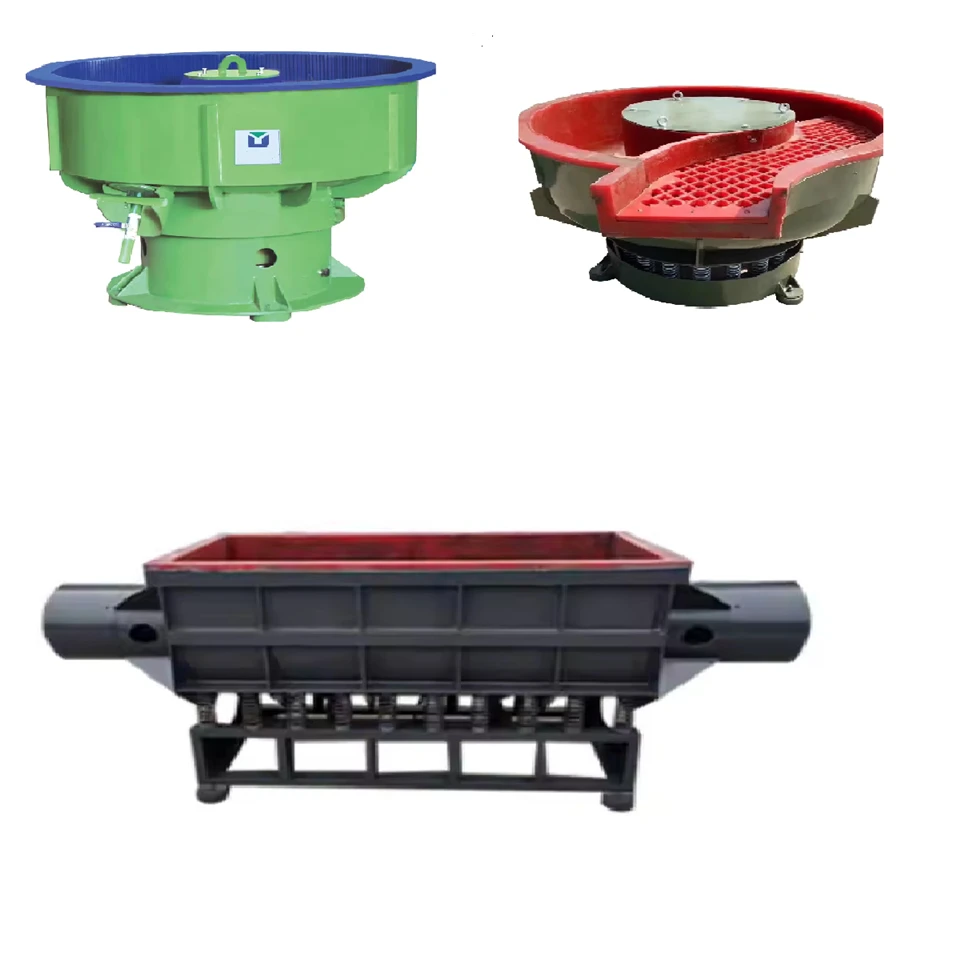
The Tumbler Vibratory Polisher Machine is suitable for polishing small - sized stones and gemstones. These machines use vibration and abrasives to polish the stones, providing a high - quality finish. They are relatively inexpensive to purchase and operate, making them a cost - effective option for small - scale stone processing businesses or jewelry manufacturers.
Stone Bush Hammering Machine
The Stone Bush Hammering Machine is used to create a textured surface on stone. While it is not a traditional polishing machine, it can add value to the stone products. These machines are cost - effective as they can transform ordinary stones into unique, high - value products that can be sold at a premium.
Conclusion
In conclusion, the cost - effectiveness of a stone polishing machine is a complex concept that involves multiple factors. As a stone polishing machine supplier, I understand the importance of providing machines that offer the best balance between cost and performance.
When considering purchasing a stone polishing machine, customers should carefully evaluate the purchase price, operating costs, maintenance requirements, productivity, and the quality of the polished stones. By choosing the right machine, businesses can improve their efficiency, reduce costs, and increase their competitiveness in the market.

If you are interested in learning more about our stone polishing machines or would like to discuss your specific stone processing needs, please feel free to reach out. We are committed to providing you with the best solutions and helping you achieve maximum cost - effectiveness in your stone processing operations.
References
- "Stone Processing Technology" - A comprehensive guide on stone processing equipment and techniques.
- Industry reports on the stone processing machinery market, analyzing trends in cost - effectiveness and technological advancements.
- Case studies of stone processing businesses that have successfully improved their cost - effectiveness through the use of advanced stone polishing machines.
Send Inquiry