

What blade is ideal for cutting softwood with a Bridge Miter Saw?
Jun 18, 2025
Leave a message
When it comes to cutting softwood with a Bridge Miter Saw, selecting the ideal blade is crucial for achieving clean, precise cuts and ensuring the longevity of your equipment. As a supplier of Bridge Miter Saw, I have extensive experience in understanding the requirements of different cutting tasks and the blades that work best for them. In this blog, I will share insights on what makes a blade ideal for cutting softwood with a Bridge Miter Saw.
Understanding Softwood
Softwood comes from coniferous trees such as pine, spruce, and fir. These woods are generally less dense and harder than hardwoods, which means they require a different approach when it comes to cutting. Softwoods have a more uniform grain structure, making them easier to cut through. However, they can also be prone to tear - out and splintering if the wrong blade is used.
Blade Characteristics for Cutting Softwood
Tooth Count
The tooth count of a saw blade plays a significant role in the cutting process. For softwood, a blade with a relatively lower tooth count is often ideal. Blades with fewer teeth, typically in the range of 24 - 40 teeth, cut through softwood more quickly because there is less material to remove with each tooth. This results in faster cutting speeds and reduces the likelihood of the wood burning due to excessive friction. For example, a 24 - tooth blade can make quick, rough cuts, which are suitable for framing and other construction projects where precision is less critical. On the other hand, a 40 - tooth blade offers a good balance between speed and a cleaner cut, making it suitable for general carpentry work on softwood.
Tooth Design
The design of the teeth on the blade is also important. Alternate top bevel (ATB) teeth are commonly used for cutting softwood. ATB teeth have a beveled edge that alternates from left to right. This design helps to shear through the wood fibers, resulting in a clean cut and reducing the amount of tear - out. Another tooth design option is the triple - chip grind (TCG). TCG teeth have a flat top with two beveled edges. This design is more aggressive and is excellent for cutting through resinous softwoods, as it can handle the sticky sap without clogging the blade.
Blade Material
The material of the blade affects its durability and cutting performance. High - speed steel (HSS) blades are a cost - effective option for cutting softwood. They can withstand the heat generated during cutting and are relatively sharp. However, for more demanding applications or when cutting large volumes of softwood, carbide - tipped blades are a better choice. Carbide is extremely hard and wear - resistant, which means the blade will stay sharp for a longer time. This results in cleaner cuts over an extended period and reduces the need for frequent blade changes.

Blade Diameter
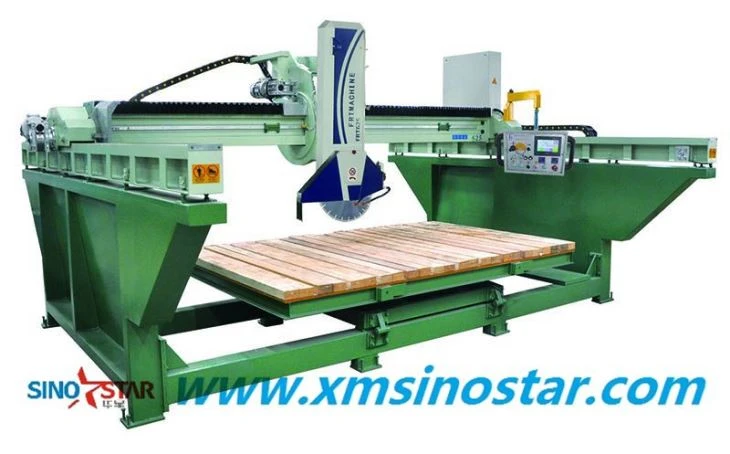
The diameter of the blade is determined by the size of the Bridge Miter Saw. Larger diameter blades can cut through thicker pieces of softwood. For most standard Bridge Miter Saws used in residential and light - commercial settings, blades with diameters ranging from 8 - 12 inches are common. A larger diameter blade, such as a 12 - inch blade, can make deeper cuts and is suitable for cutting thick softwood boards, while an 8 - inch blade is more maneuverable and can be used for smaller projects.
Benefits of Using the Right Blade for Softwood Cutting
Clean Cuts
Using the appropriate blade for softwood ensures clean cuts with minimal tear - out and splintering. This is especially important for projects where the appearance of the cut edge matters, such as in furniture making or trim work. A clean cut also reduces the need for additional sanding and finishing, saving time and effort.
Efficiency
The right blade allows for faster cutting speeds, which increases productivity. With a blade that is designed for softwood, the saw can power through the material smoothly, reducing the time spent on each cut. This is beneficial for both professional contractors and DIY enthusiasts who want to complete their projects quickly.
Equipment Longevity
A blade that is well - suited for cutting softwood reduces the strain on the Bridge Miter Saw. When the blade cuts through the wood easily, the motor of the saw doesn't have to work as hard, which can extend the life of the saw. Additionally, a sharp blade requires less force to operate, reducing the risk of overheating and damage to the saw.
Additional Considerations
Kerf Width
The kerf width, or the width of the cut made by the blade, is another factor to consider. A narrow kerf blade removes less material, which can save on wood and reduce the amount of sawdust. However, a wider kerf blade may provide more stability during cutting, especially when making long or angled cuts.
Blade Coating
Some blades come with special coatings, such as titanium nitride or non - stick coatings. Titanium nitride coatings increase the hardness of the blade and reduce friction, resulting in cooler cutting and longer blade life. Non - stick coatings prevent resin and pitch from building up on the blade, which is particularly useful when cutting resinous softwoods.
Our Product Offerings
As a supplier of Bridge Miter Saw, we offer a wide range of blades specifically designed for cutting softwood. Our blades are made from high - quality materials and feature advanced tooth designs to ensure optimal cutting performance. Whether you need a blade for a small DIY project or a large - scale construction job, we have the right solution for you. In addition to our standard blades, we also provide Bridge Saw 360 Rotation Table, which enhances the versatility of your Bridge Miter Saw and allows for more precise and complex cuts. Our Saw for Stone Cutting is also available for those who need to work with different materials.
Conclusion
Selecting the ideal blade for cutting softwood with a Bridge Miter Saw is essential for achieving the best results. By considering factors such as tooth count, tooth design, blade material, and blade diameter, you can ensure clean, efficient cuts and extend the life of your equipment. As a trusted supplier, we are committed to providing high - quality blades and accessories to meet your cutting needs. If you are interested in learning more about our products or need assistance in choosing the right blade for your project, please feel free to contact us for a procurement discussion.
References
- Woodworking Magazine, "Best Blades for Softwood Cutting"
- Machinery's Handbook, 31st Edition
- Manufacturer's Guides for Bridge Miter Saws and Saw Blades
Send Inquiry