

What are the technical specifications of a stone cutting machine?
Jun 03, 2025
Leave a message
When it comes to the stone processing industry, a stone cutting machine is an indispensable piece of equipment. As a seasoned supplier of stone cutting machines, I'm excited to delve into the technical specifications that make these machines the workhorses of the industry.
Power Source
The power source of a stone cutting machine is a crucial factor that determines its performance and suitability for different applications. Most modern stone cutting machines are powered by electricity, which offers several advantages. Electric-powered machines are generally more efficient, quieter, and easier to maintain compared to their gasoline-powered counterparts. They also produce fewer emissions, making them a more environmentally friendly option.
The power rating of an electric stone cutting machine typically ranges from 1.5 kW to 10 kW, depending on the size and type of the machine. Smaller machines used for light-duty applications, such as cutting tiles or small stones, may have a power rating of around 1.5 kW to 3 kW. On the other hand, larger machines designed for heavy-duty cutting of thick stones or large slabs may require a power rating of 5 kW to 10 kW or more.
Some stone cutting machines are also available in hydraulic or pneumatic versions. Hydraulic machines are known for their high power and precision, making them suitable for large-scale industrial applications. Pneumatic machines, on the other hand, are often used in smaller workshops or for portable applications, as they are relatively lightweight and easy to operate.
Cutting Blade
The cutting blade is the heart of a stone cutting machine, and its quality and specifications can significantly affect the cutting performance and efficiency. There are several types of cutting blades available for stone cutting machines, each designed for specific types of stones and cutting applications.
Diamond blades are the most commonly used type of cutting blades for stone cutting machines. They are made by embedding diamond particles in a metal matrix, which provides excellent cutting performance and durability. Diamond blades are available in different sizes, shapes, and configurations, depending on the type of stone being cut and the cutting requirements.
For cutting soft stones, such as marble or limestone, a blade with a fine grit and a softer bond is usually recommended. This type of blade will provide a smooth and clean cut, while minimizing the risk of chipping or cracking the stone. For cutting harder stones, such as granite or quartzite, a blade with a coarser grit and a harder bond is typically used. This type of blade will be able to cut through the stone more quickly and efficiently, but may produce a rougher cut surface.
In addition to diamond blades, there are also other types of cutting blades available for stone cutting machines, such as abrasive blades and circular saw blades. Abrasive blades are made by coating a metal disc with an abrasive material, such as silicon carbide or aluminum oxide. They are typically used for cutting softer stones or for rough cutting applications. Circular saw blades are similar to abrasive blades, but they have teeth on the edge of the blade, which allows them to cut through the stone more quickly and efficiently.
Cutting Capacity
The cutting capacity of a stone cutting machine refers to the maximum thickness and size of the stone that the machine can cut. This is an important consideration when choosing a stone cutting machine, as it will determine the types of stones and cutting applications that the machine can handle.
The cutting capacity of a stone cutting machine is typically measured in terms of the maximum thickness and width of the stone that can be cut. For example, a machine with a cutting capacity of 100 mm x 600 mm can cut stones up to 100 mm thick and 600 mm wide. Some stone cutting machines are also capable of cutting stones at an angle, which allows for more complex cutting applications.
In addition to the cutting capacity, the cutting speed of a stone cutting machine is also an important factor to consider. The cutting speed refers to the rate at which the machine can cut through the stone, and it is typically measured in meters per minute (m/min). The cutting speed of a stone cutting machine will depend on several factors, such as the type of stone being cut, the cutting blade being used, and the power of the machine.
Control System
The control system of a stone cutting machine is responsible for regulating the cutting process and ensuring that the machine operates safely and efficiently. Most modern stone cutting machines are equipped with advanced control systems that allow for precise control of the cutting parameters, such as the cutting speed, feed rate, and cutting depth.
The control system of a stone cutting machine can be either manual or automatic. Manual control systems require the operator to manually adjust the cutting parameters, such as the cutting speed and feed rate, using a control panel or a set of buttons. Automatic control systems, on the other hand, use sensors and computer algorithms to automatically adjust the cutting parameters based on the type of stone being cut and the cutting requirements.
Some stone cutting machines are also equipped with advanced features, such as programmable logic controllers (PLCs) and touch screen displays. PLCs allow for more complex control of the cutting process, while touch screen displays provide a more user-friendly interface for the operator to control the machine.
Safety Features
Safety is always a top priority when operating a stone cutting machine, and modern machines are equipped with a variety of safety features to protect the operator and prevent accidents. Some of the common safety features found on stone cutting machines include:
- Emergency stop button: This button allows the operator to immediately stop the machine in case of an emergency.
- Blade guard: A blade guard is a protective cover that is installed over the cutting blade to prevent the operator from coming into contact with the blade.
- Dust collection system: A dust collection system is used to collect the dust and debris generated during the cutting process, which helps to keep the work environment clean and safe.
- Overload protection: Overload protection is a safety feature that prevents the machine from overheating or overloading, which can cause damage to the machine or pose a safety risk to the operator.
Types of Stone Cutting Machines
There are several types of stone cutting machines available on the market, each designed for specific types of stones and cutting applications. Some of the most common types of stone cutting machines include:
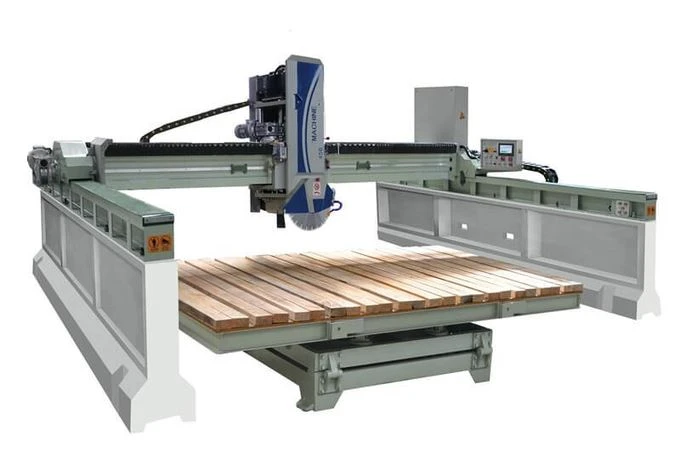
- Marble Sawing Machine: A marble sawing machine is specifically designed for cutting marble and other soft stones. These machines are typically equipped with diamond blades and are capable of cutting stones at high speeds and with high precision.
- Granite Fire Buring Machine: A granite fire burning machine is used to create a rough and textured surface on granite and other hard stones. This process involves heating the stone with a flame and then cooling it rapidly, which causes the surface of the stone to crack and flake off.
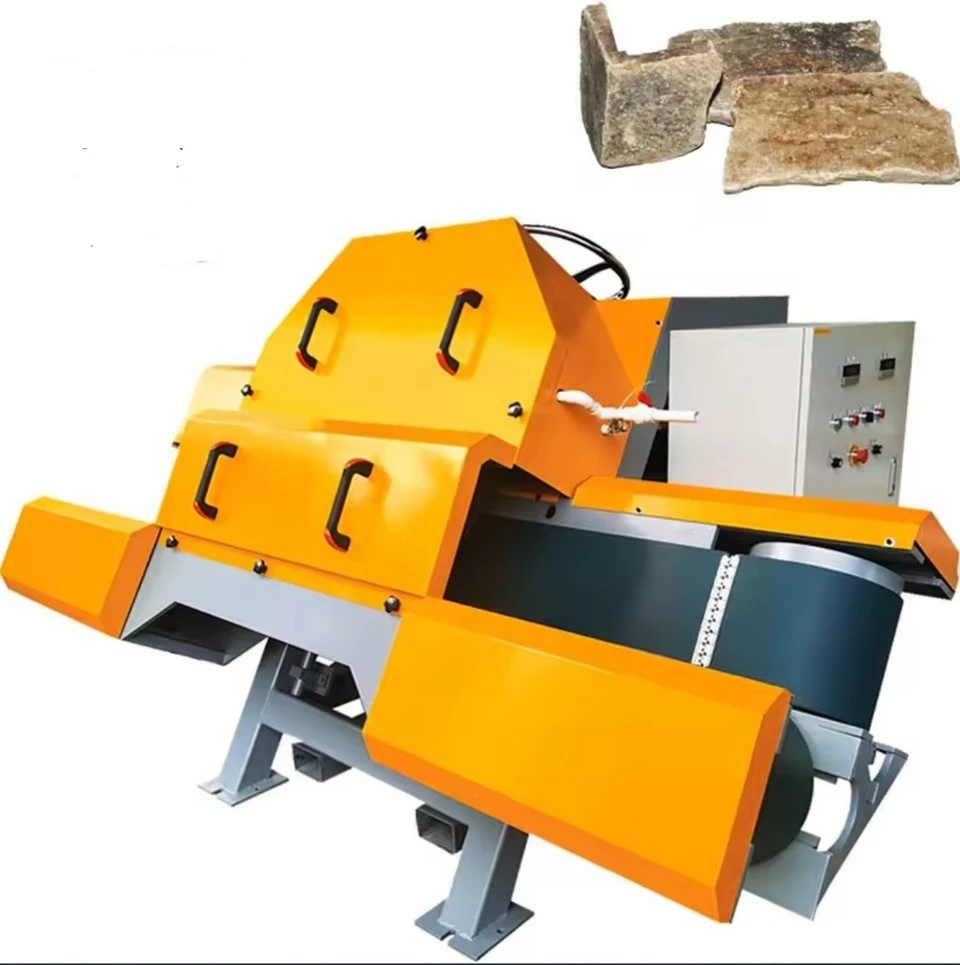
- Stone Veneer Cutting Machine For Wall Cladding: A stone veneer cutting machine is used to cut thin slices of stone, which are then used for wall cladding and other decorative applications. These machines are typically equipped with diamond blades and are capable of cutting stones at high speeds and with high precision.
Conclusion
In conclusion, the technical specifications of a stone cutting machine play a crucial role in determining its performance, efficiency, and suitability for different applications. When choosing a stone cutting machine, it is important to consider factors such as the power source, cutting blade, cutting capacity, control system, safety features, and type of machine. By understanding these technical specifications, you can make an informed decision and choose the right stone cutting machine for your needs.
If you are interested in learning more about our stone cutting machines or would like to discuss your specific requirements, please feel free to contact us. Our team of experts will be happy to assist you and provide you with the information and support you need to make the right choice.
References
- Stone Cutting Machine Handbook, [Publisher Name], [Year of Publication]
- Stone Processing Technology, [Author Name], [Year of Publication]
- Diamond Tools for Stone Cutting, [Author Name], [Year of Publication]
Send Inquiry