

How to transport a Mono Block Bridge Saw?
Dec 10, 2025
Leave a message
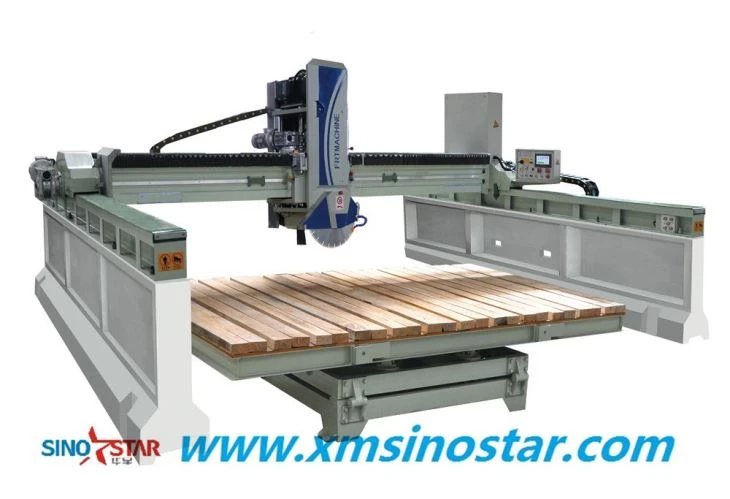
Hey there! As a supplier of Mono Block Bridge Saw, I've had my fair share of experiences when it comes to transporting these heavy-duty machines. It's not as simple as just loading it onto a truck and sending it off. There are a bunch of factors to consider to ensure the saw arrives at its destination in one piece. So, let's dive into how to transport a Mono Block Bridge Saw.
Preparation is Key
Before you even think about moving the saw, you've gotta do some prep work. First off, clean the machine thoroughly. Remove any debris, dust, or stone chips that might have accumulated during its operation. This not only makes the saw look better but also helps prevent any damage that could occur if loose particles shift during transit.
Next, you need to do a detailed inspection of the saw. Check for any loose parts, damaged components, or signs of wear and tear. Tighten any bolts or screws that might have come loose, and replace any worn-out parts. It's much easier to fix these issues before transportation than to deal with them after the saw has been delivered.
Once the saw is clean and inspected, it's time to drain all the fluids. This includes coolant, hydraulic fluid, and any other liquids in the machine. Draining the fluids prevents leaks during transit, which could not only damage the saw but also pose a safety hazard. Make sure to follow the manufacturer's instructions when draining the fluids, and store them in appropriate containers for later use.
Disassembly
In most cases, it's a good idea to disassemble the Mono Block Bridge Saw before transportation. This makes it easier to handle and reduces the risk of damage. Start by removing any removable parts, such as the blade, guards, and control panels. Label each part clearly so you know where it goes when it's time to reassemble the saw.
When disassembling the saw, be careful not to damage any of the components. Use the right tools for the job and follow the manufacturer's disassembly instructions. If you're unsure about how to disassemble a particular part, it's better to consult the manufacturer or a professional technician.
After disassembling the saw, pack the parts carefully. Use sturdy boxes, crates, or pallets to protect the parts during transit. Wrap delicate parts, such as the blade, in bubble wrap or foam to prevent scratches and damage. Make sure to secure the parts in the packaging to prevent them from shifting during transportation.
Packaging
Proper packaging is crucial for protecting the Mono Block Bridge Saw during transit. The saw is a heavy and bulky machine, so it needs to be packaged in a way that can withstand the rigors of transportation. Start by placing the saw on a sturdy pallet. Make sure the saw is centered on the pallet and secured in place using straps or bolts.
Next, wrap the saw in a protective covering, such as shrink wrap or a tarp. This helps prevent dust, dirt, and moisture from getting to the saw during transit. You can also use foam padding or other cushioning materials to protect the saw from impacts and vibrations.
If you're transporting the saw overseas, you may need to use a shipping container. Shipping containers provide an extra layer of protection and are designed to withstand the harsh conditions of international shipping. Make sure to secure the saw inside the shipping container using straps or braces to prevent it from moving during transit.
Transportation Method
There are several transportation methods you can choose from when transporting a Mono Block Bridge Saw. The method you choose will depend on several factors, such as the distance of the shipment, the size and weight of the saw, and your budget.
- Trucking: This is the most common method of transporting a Mono Block Bridge Saw. Trucks are flexible and can deliver the saw directly to your customer's location. Make sure to choose a reputable trucking company that has experience transporting heavy machinery.
- Rail: Rail transportation is a cost-effective option for long-distance shipments. However, it may not be as flexible as trucking, as you may need to arrange for additional transportation to get the saw from the rail yard to the final destination.
- Shipping: If you're transporting the saw overseas, shipping is the only option. You can choose between container shipping and roll-on/roll-off (RoRo) shipping. Container shipping is more secure and provides better protection for the saw, while RoRo shipping is more convenient and faster.
Loading and Unloading
Loading and unloading the Mono Block Bridge Saw is a critical step in the transportation process. You need to make sure that the saw is loaded and unloaded safely to prevent damage. Use a forklift or a crane to lift the saw onto the truck, railcar, or shipping container. Make sure the forklift or crane is rated to handle the weight of the saw.
When unloading the saw, follow the same safety procedures. Make sure the unloading area is clear and level, and use the appropriate equipment to lift the saw off the transportation vehicle. Once the saw is unloaded, inspect it again for any damage that may have occurred during transit.
Insurance
No matter how careful you are, there's always a risk of damage during transportation. That's why it's important to have insurance coverage for your Mono Block Bridge Saw. Make sure to purchase insurance that covers the full value of the saw and includes coverage for damage during transit.
Before you purchase insurance, make sure to read the policy carefully and understand the terms and conditions. Some insurance policies may have exclusions or limitations, so it's important to know what's covered and what's not.

Reassembly
Once the Mono Block Bridge Saw has arrived at its destination, it's time to reassemble it. Follow the manufacturer's reassembly instructions carefully, and make sure to use the right tools for the job. Start by installing the base and the frame, and then attach the other components, such as the blade, guards, and control panels.
After reassembling the saw, fill the fluids back into the machine. Make sure to use the right type of fluids and follow the manufacturer's instructions for filling them. Once the fluids are filled, test the saw to make sure it's working properly.
Conclusion
Transporting a Mono Block Bridge Saw requires careful planning and preparation. By following the steps outlined in this blog post, you can ensure that your saw arrives at its destination safely and in good condition. Remember to do your prep work, disassemble the saw properly, package it securely, choose the right transportation method, load and unload it safely, purchase insurance, and reassemble it correctly.
If you're in the market for a Saw for Stone Cutting or a Bridge Saw for Stone Cutting, we're here to help. Our Mono Block Bridge Saws are high-quality machines that are built to last. Contact us today to learn more about our products and to discuss your specific needs. We look forward to working with you!
References
- Manufacturer's manuals for Mono Block Bridge Saw
- Industry best practices for transporting heavy machinery
Send Inquiry