

How to reduce the vibration of a block cutting machine during operation?
Jul 10, 2025
Leave a message
Vibration is a common issue in the operation of block cutting machines, which can not only affect the cutting quality but also reduce the service life of the machine and pose potential safety risks. As a leading supplier of block cutting machines, including the Marble Granite Block Cutting Machine, Stone Hydraulic Block Cutter, and Marble Gang Saw Machine, we have accumulated rich experience in dealing with this problem. In this blog, I will share some effective methods to reduce the vibration of block cutting machines during operation.
1. Machine Installation and Foundation
The first step in reducing vibration is to ensure proper machine installation and a solid foundation. A weak or uneven foundation can cause the machine to vibrate excessively during operation. When installing the block cutting machine, it is essential to follow the manufacturer's installation guidelines carefully.
- Leveling the Machine: Use a high - precision level to ensure that the machine is perfectly horizontal. Any tilt can lead to uneven stress distribution during cutting, resulting in vibration. Check the leveling at multiple points on the machine base to ensure accuracy.
- Foundation Quality: The foundation should be made of high - strength concrete with sufficient thickness. The foundation should be able to support the weight of the machine and withstand the dynamic forces generated during cutting. For large - scale block cutting machines, a reinforced concrete foundation may be required. It is also important to allow the concrete to cure properly before installing the machine to ensure its stability.
2. Tool and Blade Maintenance
The cutting tools and blades are crucial components of the block cutting machine, and their condition can significantly affect vibration levels.
- Tool Balance: Unbalanced cutting tools can cause severe vibration. Before installing a new blade or tool, it should be balanced using a professional balancing machine. This ensures that the mass distribution of the tool is uniform, reducing the centrifugal forces that cause vibration during rotation.
- Blade Sharpness: A dull blade requires more force to cut through the material, which can increase vibration. Regularly inspect the blades for wear and tear and replace them when they become dull. Sharpening the blades at the right time can also improve cutting efficiency and reduce vibration.
- Tool Installation: Make sure that the cutting tools are installed correctly and securely. Loose or misaligned tools can cause uneven cutting and vibration. Follow the manufacturer's instructions for tool installation, including tightening the bolts to the specified torque.
3. Material Handling and Fixturing
Proper material handling and fixturing are essential to reduce vibration during cutting.
- Material Preparation: Before cutting, ensure that the block of material is clean and free from debris. Irregularities on the surface of the material can cause the blade to bounce, resulting in vibration. If possible, dress the surface of the material to make it as smooth as possible.
- Secure Fixturing: The block of material should be firmly fixed to the machine table. Use clamps or other fixtures to prevent the material from moving during cutting. Any movement of the material can cause the blade to deviate from its cutting path, leading to vibration. Make sure that the fixtures are evenly distributed around the material to ensure uniform clamping force.
4. Cutting Parameters Optimization
The cutting parameters, such as cutting speed, feed rate, and depth of cut, have a significant impact on vibration levels.
- Cutting Speed: Choosing the appropriate cutting speed is crucial. If the cutting speed is too high, the blade may generate excessive heat and wear, and the machine may vibrate due to the high - speed rotation. On the other hand, if the cutting speed is too low, the cutting process may be inefficient, and the blade may chatter, causing vibration. Refer to the manufacturer's recommendations for the optimal cutting speed based on the type of material and the blade used.
- Feed Rate: The feed rate should be adjusted according to the cutting speed and the properties of the material. A too - high feed rate can overload the machine and cause vibration, while a too - low feed rate may result in a poor cutting surface and unnecessary wear on the blade.
- Depth of Cut: The depth of cut should be carefully controlled. Cutting too deep at once can put excessive stress on the blade and the machine, leading to vibration. It is often better to make multiple shallow cuts rather than one deep cut, especially when dealing with hard materials.
5. Machine Lubrication and Maintenance
Proper lubrication and regular maintenance of the block cutting machine can also help reduce vibration.
- Lubrication: All moving parts of the machine, such as bearings, gears, and slides, should be properly lubricated. Lubrication reduces friction between the moving parts, which can prevent overheating and wear. It also helps to dampen the vibration generated during operation. Use the lubricants recommended by the manufacturer and follow the lubrication schedule.
- Regular Maintenance: Conduct regular inspections and maintenance of the machine. Check for loose bolts, worn - out parts, and any signs of damage. Tighten the loose bolts, replace the worn - out parts, and repair any damage promptly. Regular maintenance can ensure that the machine operates smoothly and reduces the risk of vibration.
6. Anti - Vibration Devices
In some cases, using anti - vibration devices can be an effective way to reduce vibration.

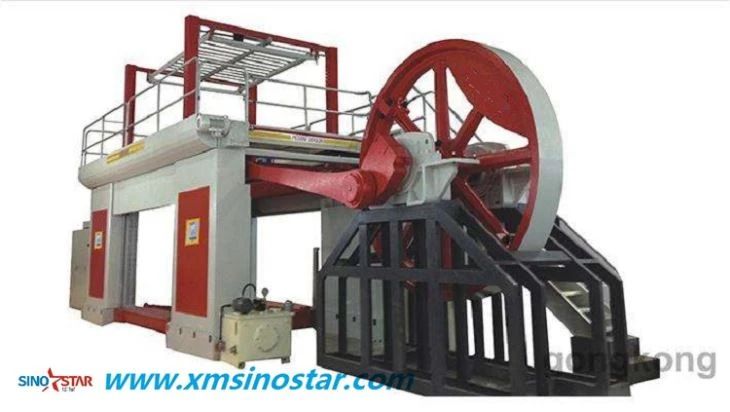
- Vibration Isolators: These are devices that are installed between the machine and the foundation to isolate the machine from the vibrations transmitted to the ground. Vibration isolators can absorb and dampen the vibrations, reducing their impact on the machine and the surrounding environment.
- Dynamic Balancers: Some advanced block cutting machines are equipped with dynamic balancers. These devices can automatically adjust the balance of the rotating parts during operation, reducing vibration caused by unbalance.
Conclusion
Reducing the vibration of a block cutting machine during operation is a comprehensive task that involves machine installation, tool maintenance, material handling, parameter optimization, lubrication, and the use of anti - vibration devices. As a block cutting machine supplier, we are committed to providing our customers with high - quality machines and professional technical support. If you are experiencing vibration problems with your block cutting machine or are interested in purchasing a new one, please feel free to contact us for more information and consultation. We are looking forward to discussing your specific needs and helping you find the best solution.
References
- "Handbook of Stone Processing Technology"
- Manufacturer's manuals of block cutting machines
Send Inquiry