

How to maintain a slab polishing machine?
Aug 27, 2025
Leave a message
Maintaining a slab polishing machine is crucial for ensuring its optimal performance, longevity, and the quality of the polished slabs. As a supplier of slab polishing machines, I understand the importance of proper maintenance and am here to share some valuable insights on how to keep your machine in top - notch condition.
Regular Cleaning
One of the most fundamental aspects of maintaining a slab polishing machine is regular cleaning. After each use, the machine should be thoroughly cleaned to remove any dust, debris, or polishing residues. These particles can accumulate over time and cause damage to the machine's components, such as the motors, belts, and polishing heads.
Start by using a soft brush or compressed air to remove loose dust from the exterior of the machine. Pay special attention to the areas around the polishing heads, conveyor belts, and control panels. For more stubborn residues, a mild detergent and water solution can be used. However, make sure to avoid getting water into the electrical components of the machine.
The polishing heads, which are the most critical parts of the machine, need extra care. After cleaning, inspect the polishing pads for wear and tear. If the pads are worn out, they should be replaced immediately. Worn - out pads can lead to uneven polishing and may also put additional stress on the machine's motor.
Lubrication
Proper lubrication is essential for the smooth operation of a slab polishing machine. Different parts of the machine, such as the bearings, gears, and conveyor belts, require regular lubrication to reduce friction and prevent premature wear.
Refer to the machine's manual to determine the type of lubricant to use and the recommended lubrication intervals. Over - lubrication can be just as harmful as under - lubrication, so it's important to apply the right amount of lubricant. For example, when lubricating the bearings, use a grease gun to apply a small amount of high - quality grease.
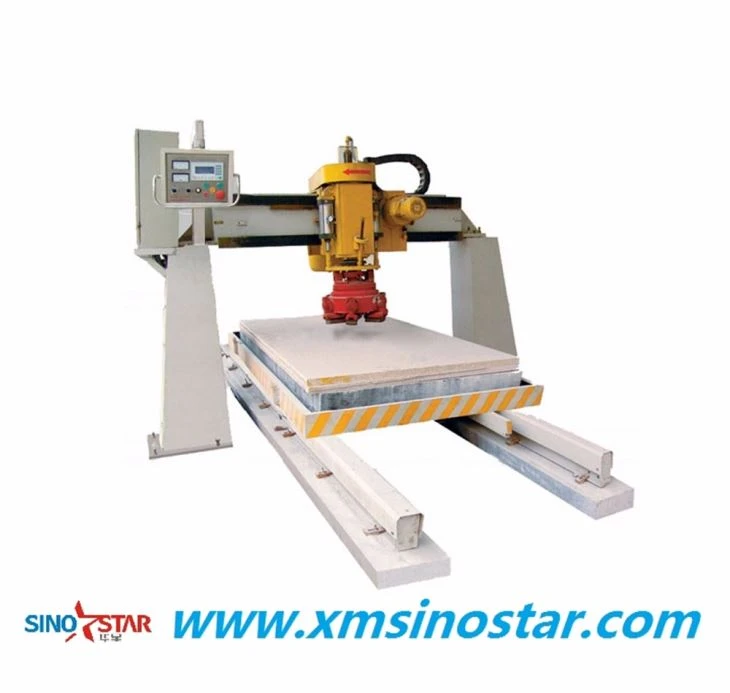

Regularly check the lubrication levels and look for any signs of leakage. If you notice any leaks, it's important to address the issue promptly to prevent damage to other components of the machine.
Belt Tension
The conveyor belts and drive belts in a slab polishing machine play a crucial role in its operation. Over time, these belts can become loose, which can lead to reduced efficiency and even cause the machine to malfunction.
Check the belt tension regularly. Most machines have an adjustment mechanism that allows you to tighten or loosen the belts as needed. To check the belt tension, press down on the belt at the mid - point between two pulleys. The belt should have a slight amount of give, but it should not be too loose or too tight. If the belt is too loose, it may slip, causing uneven polishing. If it's too tight, it can put excessive stress on the motor and other components.
Electrical System Inspection
The electrical system of a slab polishing machine is complex and requires regular inspection to ensure safety and proper operation. Check the electrical connections for any signs of corrosion, loose wires, or overheating. Loose connections can cause electrical shorts, which can damage the machine and pose a safety hazard.
Inspect the control panel and ensure that all the switches and buttons are functioning properly. If you notice any issues with the electrical system, it's important to have a qualified electrician perform the necessary repairs.
Calibration
Calibration is an important part of maintaining a slab polishing machine. Over time, the machine may become misaligned, which can result in uneven polishing. Regular calibration ensures that the machine is operating at the correct angles and pressures.
Use the calibration tools provided by the manufacturer to check and adjust the alignment of the polishing heads, conveyor belts, and other components. Follow the calibration procedures outlined in the machine's manual carefully. Incorrect calibration can lead to poor - quality polishing and may also cause damage to the machine.
Spare Parts Management
As a slab polishing machine supplier, I recommend keeping a stock of essential spare parts. Common spare parts include polishing pads, belts, bearings, and electrical components. Having these parts on hand can reduce downtime in case of a breakdown.
When purchasing spare parts, make sure to buy them from a reliable supplier. Using low - quality spare parts can lead to premature wear and may even void the machine's warranty.
Training and Operator Knowledge
Proper training of the machine operators is also a key factor in maintaining a slab polishing machine. Operators should be familiar with the machine's operation, maintenance procedures, and safety protocols.
Provide regular training sessions for your operators to keep them updated on the latest maintenance techniques and best practices. Encourage operators to report any issues or abnormalities they notice during the operation of the machine immediately.
Conclusion
Maintaining a slab polishing machine is a comprehensive process that requires regular cleaning, lubrication, belt tension adjustment, electrical system inspection, calibration, spare parts management, and proper operator training. By following these maintenance tips, you can ensure that your machine operates at its best, produces high - quality polished slabs, and has a long service life.
If you are in the market for a Marble Granite Polishing Machine, Stone Bridge Polishing Machine, or Automatic Stone Polishing Machine for Marble, we are here to provide you with high - quality products and professional after - sales service. If you have any questions or would like to discuss your specific requirements, please feel free to contact us for procurement and negotiation.
References
- Manufacturer's manuals of slab polishing machines
- Industry best practices for stone processing equipment maintenance
Send Inquiry