

How to install a block cutting machine correctly?
Jul 25, 2025
Leave a message
Hey there! As a supplier of Block Cutting Machines, I've seen firsthand how crucial it is to install these machines correctly. A proper installation not only ensures the machine's smooth operation but also extends its lifespan and enhances safety. So, let's dive into how you can install a block cutting machine correctly.
Step 1: Preparation
Before you even think about unpacking the machine, you need to do some groundwork. First off, find a suitable location. The area should be flat, stable, and large enough to accommodate the machine and allow for easy access around it. You don't want to be squeezing in tight spaces when you're trying to operate or maintain the machine.
Check the floor's load - bearing capacity. Block cutting machines can be heavy, and if the floor can't handle the weight, it could lead to uneven operation or even damage to the machine. If you're not sure about the floor's strength, consult a structural engineer.
Next, gather all the tools you'll need for the installation. This usually includes wrenches, screwdrivers, and a level. Make sure the tools are in good condition and the right size for the job.
Step 2: Unpacking and Inspection
Once you've got the location sorted and the tools ready, it's time to unpack the machine. Carefully remove all the packaging materials and check for any visible damage. Look for dents, scratches, or loose parts. If you find any issues, contact us right away. We're here to help you resolve any problems and ensure you get a fully functional machine.
As you unpack, lay out all the components in an organized manner. This will make it easier to identify what goes where during the installation process. Refer to the machine's manual to understand the different parts and their functions.
Step 3: Assembly
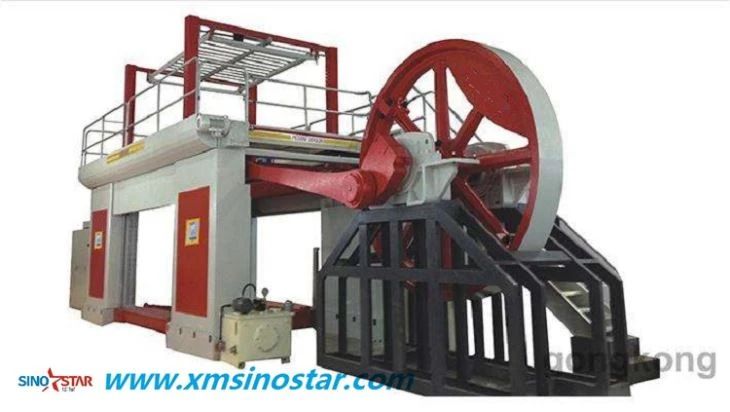
Now, it's time to start putting the machine together. Follow the assembly instructions in the manual step - by - step. Usually, you'll start with the base of the machine. Place it on the prepared floor and use a level to make sure it's perfectly horizontal. This is crucial for the machine's stability and accurate cutting.
Once the base is in place, start attaching the other components, such as the cutting head, the conveyor system (if applicable), and the control panel. Make sure all the connections are tight and secure. Use the appropriate tools to tighten the bolts and screws, but be careful not to over - tighten, as this could damage the parts.
If you're installing a Stone Hydraulic Block Cutter, pay special attention to the hydraulic system. Check the hoses for any leaks and make sure they're properly connected to the pump and the cylinders. The hydraulic system is what gives the machine its power to cut through tough materials, so it's essential that it's installed correctly.
Step 4: Electrical and Hydraulic Connections
After the mechanical assembly is complete, it's time to deal with the electrical and hydraulic connections. For the electrical part, make sure you follow all the safety regulations. Connect the machine to a suitable power source with the correct voltage and amperage. Use proper electrical cables and ensure all the connections are insulated to prevent electrical shocks.
If your machine has a control panel, connect it to the power supply and test the basic functions. Check if the buttons and switches are working properly. If you encounter any electrical issues, don't try to fix them yourself. Instead, contact our technical support team.
For the hydraulic connections, as mentioned earlier, check for leaks. Fill the hydraulic reservoir with the recommended hydraulic fluid to the appropriate level. Run the hydraulic pump for a short period to circulate the fluid and check for any abnormal noises or vibrations.
Step 5: Alignment and Calibration
Once the machine is fully assembled and the connections are made, it's time to align and calibrate it. Use the alignment tools provided in the manual to ensure that the cutting head is in the correct position. This will ensure accurate cutting and prevent uneven wear on the cutting blades.
Calibrate the machine's settings according to the type of material you'll be cutting. Different materials, such as marble, granite, or concrete, require different cutting speeds and pressures. Refer to the machine's manual for the recommended settings for each material.

Step 6: Testing
Before you start using the machine for actual cutting, it's essential to conduct a test run. Start the machine and let it run for a few minutes without any material in it. Listen for any abnormal noises or vibrations. Check if all the moving parts are operating smoothly.
If everything seems fine during the initial test run, introduce a small piece of the material you'll be cutting. Observe the cutting process closely. Check if the cuts are clean and accurate. If you notice any issues, such as rough cuts or excessive vibrations, stop the machine immediately and troubleshoot the problem.
Step 7: Training
Even if you've successfully installed and tested the machine, it's important that your operators are properly trained. Our company offers training services to ensure that your staff knows how to operate the machine safely and efficiently. We'll cover topics such as machine controls, safety procedures, and maintenance.
Training is not just about knowing how to use the machine. It's also about understanding the potential hazards and how to prevent accidents. Our trained technicians will provide hands - on training and answer any questions your operators may have.
Conclusion
Installing a block cutting machine correctly is a multi - step process that requires careful planning, attention to detail, and following the manufacturer's instructions. By following the steps outlined above, you can ensure that your machine is installed safely and will operate efficiently for years to come.
If you're in the market for a block cutting machine, we offer a wide range of products, including the Stone Hydraulic Block Cutter, Multi Wire Saw Cutting Machine, and Marble Gang Saw Machine. Our machines are of high quality and come with excellent after - sales support.
If you have any questions about installation, operation, or if you're interested in purchasing a block cutting machine, don't hesitate to get in touch. We're here to help you every step of the way.
References
- Manufacturer's manual for the block cutting machine
- Industry standards for block cutting machine installation and operation
Send Inquiry