

How to ensure the parallelism of cuts with a Bridge Saw Cutter?
May 09, 2025
Leave a message
Ensuring the parallelism of cuts is crucial when using a Bridge Saw Cutter, as it directly impacts the quality of the final product. As a Bridge Saw Cutter supplier, I understand the importance of this aspect and have accumulated extensive experience in this field. In this blog, I will share some key strategies and best practices to help you achieve precise parallel cuts with a Bridge Saw Cutter.
Understanding the Basics of Bridge Saw Cutters
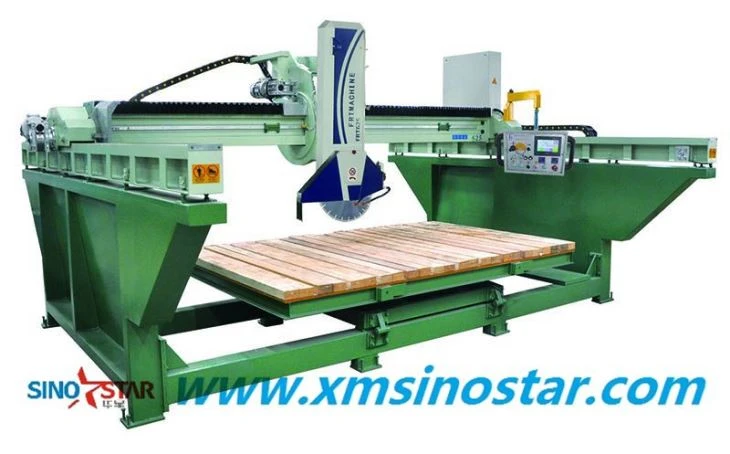
Before delving into the methods of ensuring parallel cuts, it's essential to have a basic understanding of Bridge Saw Cutters. A Bridge Saw Cutter is a powerful and versatile tool used in the stone and tile cutting industry. It consists of a bridge-like structure that spans over the material to be cut, with a cutting blade attached to a moving carriage. The blade can be adjusted in various ways to make different types of cuts, such as straight cuts, miter cuts, and bevel cuts.

There are different types of Bridge Saw Cutters available in the market, each with its own features and capabilities. For example, the Bridge Saw 360 Rotation Table allows for 360-degree rotation of the material, enabling more complex cutting operations. The 5 Axis Bridge Tile Saw Machine offers even greater flexibility, with five axes of movement for precise and intricate cuts. And the Bridge Miter Saw is specifically designed for making miter cuts at different angles.
Factors Affecting the Parallelism of Cuts
Several factors can affect the parallelism of cuts made with a Bridge Saw Cutter. Understanding these factors is the first step in ensuring accurate and parallel cuts.
Machine Alignment
The alignment of the Bridge Saw Cutter is crucial for achieving parallel cuts. If the machine is not properly aligned, the cutting blade may deviate from the intended path, resulting in non - parallel cuts. This can be caused by factors such as uneven installation of the machine, wear and tear of the components, or improper calibration. Regular maintenance and calibration of the machine are necessary to ensure its proper alignment.
Blade Quality and Installation
The quality of the cutting blade and its proper installation also play a significant role in the parallelism of cuts. A dull or damaged blade can cause uneven cutting and may not follow a straight path. It's important to choose a high - quality blade that is suitable for the material being cut. Additionally, the blade should be installed correctly, with proper tightening and alignment. Any looseness or misalignment of the blade can lead to inaccurate cuts.
Material Stability
The stability of the material being cut is another important factor. If the material is not properly secured or supported, it may move during the cutting process, causing the blade to deviate from the intended path. This can result in non - parallel cuts. To ensure material stability, use appropriate clamps and supports to hold the material firmly in place.
Operator Skill
The skill and experience of the operator also have a significant impact on the parallelism of cuts. An experienced operator knows how to set up the machine correctly, adjust the cutting parameters, and handle the material properly. They can also detect and correct any issues that may arise during the cutting process. Therefore, providing proper training to operators is essential for achieving high - quality parallel cuts.
Strategies for Ensuring Parallel Cuts
Machine Calibration
Regular calibration of the Bridge Saw Cutter is essential for maintaining its accuracy and ensuring parallel cuts. This involves checking and adjusting the alignment of the bridge, the carriage, and the cutting blade. Use precision measuring tools, such as laser levels and dial indicators, to ensure that the machine is properly aligned. Calibration should be performed at regular intervals, especially after any major maintenance or component replacement.
Blade Selection and Maintenance
As mentioned earlier, the quality of the cutting blade is crucial for parallel cuts. Choose a blade that is specifically designed for the material you are cutting, such as granite, marble, or ceramic tile. Consider factors such as blade diameter, tooth count, and bond type. Regularly inspect the blade for signs of wear and damage, and replace it when necessary. Keep the blade clean and sharp to ensure smooth and accurate cutting.
Material Preparation
Proper material preparation is key to achieving parallel cuts. Before cutting, ensure that the material is flat and free of any defects or irregularities. Use a straightedge to check the straightness of the material's edges. If necessary, use a grinder or a sander to flatten the material's surface. Secure the material firmly to the worktable using clamps or other suitable fixtures to prevent movement during cutting.
Cutting Parameters
Adjusting the cutting parameters correctly is also important for parallel cuts. These parameters include the cutting speed, feed rate, and depth of cut. The cutting speed should be appropriate for the material and the blade being used. A too - high cutting speed can cause the blade to overheat and wear out quickly, while a too - low speed can result in inefficient cutting. The feed rate should be consistent to ensure a smooth and even cut. The depth of cut should be set according to the thickness of the material and the capabilities of the machine.
Use of Guides and Jigs
Guides and jigs can be very helpful in ensuring parallel cuts. A straight guide can be used to keep the cutting blade on a straight path, while a miter guide can be used to make accurate miter cuts at different angles. Jigs can also be custom - made to hold the material in a specific position and orientation, ensuring consistent and parallel cuts.
Troubleshooting Non - Parallel Cuts
Even with proper setup and operation, non - parallel cuts may still occur. Here are some common causes and solutions for non - parallel cuts:
Uneven Material
If the material is uneven, it can cause the blade to deviate from the intended path. To solve this problem, check the material for any warping or unevenness before cutting. If necessary, use a grinder or a sander to flatten the material's surface.
Worn or Damaged Blade
A worn or damaged blade can also result in non - parallel cuts. Inspect the blade for signs of wear, such as dull teeth or chipping. Replace the blade if it is worn or damaged.
Machine Misalignment
As mentioned earlier, machine misalignment is a common cause of non - parallel cuts. Check the alignment of the machine using precision measuring tools. If the machine is misaligned, adjust it according to the manufacturer's instructions.
Operator Error
Operator error can also lead to non - parallel cuts. Make sure that the operator is properly trained and follows the correct cutting procedures. Provide feedback and guidance to the operator to help them improve their skills.
Conclusion
Ensuring the parallelism of cuts with a Bridge Saw Cutter requires a combination of proper machine setup, blade selection, material preparation, and operator skill. By understanding the factors that affect the parallelism of cuts and implementing the strategies and best practices outlined in this blog, you can achieve high - quality parallel cuts and produce superior products.
As a Bridge Saw Cutter supplier, we are committed to providing our customers with high - quality machines and comprehensive support. If you have any questions or need further assistance in ensuring the parallelism of cuts with our Bridge Saw Cutters, or if you are interested in purchasing our products, please feel free to contact us for procurement and negotiation. We look forward to working with you to meet your stone and tile cutting needs.
References
- "Stone Cutting Machinery Handbook" - A comprehensive guide to stone cutting machines, including Bridge Saw Cutters.
- Manufacturer's manuals for Bridge Saw Cutters, which provide detailed information on machine operation, maintenance, and calibration.
- Industry standards and best practices for stone and tile cutting, which offer valuable insights into achieving high - quality cuts.
Send Inquiry