

How to check the performance of a new stone polishing machine?
Jun 10, 2025
Leave a message
Hey there! As a supplier of stone polishing machines, I often get asked how to check the performance of a new stone polishing machine. It's a crucial step before you start using it for your projects. So, let's dive right in and explore the key aspects you should consider.
1. Physical Inspection
First things first, give the machine a thorough physical inspection. Check for any visible damages, like dents, scratches, or loose parts. Make sure all the covers are properly attached and there are no signs of leakage, especially if it has a water or coolant system.
The frame of the machine should be sturdy. You can give it a gentle shake (while it's turned off, of course) to see if it feels wobbly. A stable frame is essential for consistent polishing results. Also, look at the electrical connections. They should be tight and free from any frayed wires. If you notice any issues during this inspection, it's best to address them right away or contact the manufacturer.
2. Power and Motor Performance
The power source of the stone polishing machine is a vital factor. Plug it in and make sure it powers on smoothly. Listen to the motor. A healthy motor should run quietly without any strange noises like grinding or rattling. If you hear such noises, it could indicate a problem with the motor bearings or other internal components.
Check the motor's speed control. Most modern stone polishing machines come with variable speed settings. Try adjusting the speed and see if it changes smoothly. If there are any sudden jumps or hesitations in the speed, it might be a sign of a malfunction. You can also test the torque of the motor by applying a bit of pressure on the polishing pad while it's running at a low speed. The motor should be able to maintain its speed without stalling.
3. Polishing Pad and Abrasive System
The polishing pad is the part that directly interacts with the stone surface. Examine the quality of the polishing pads. They should be in good condition, without any signs of excessive wear or damage. Check if the pads are securely attached to the machine. Loose pads can cause uneven polishing and even pose a safety hazard.
The abrasive system of the machine is also important. It should be able to supply the right amount of abrasive to the polishing pad. Some machines have an automatic abrasive feeding system. Test this system by running the machine for a few minutes and observing if the abrasive is being distributed evenly on the pad. If you're using a manual abrasive application method, make sure it's easy to do and that the abrasive spreads well on the pad.
4. Water or Coolant System
Many stone polishing machines use water or coolant to keep the polishing pad and the stone surface cool. Check the water or coolant tank. It should be clean and free from any debris. The pump that circulates the water or coolant should work properly. You can test this by turning on the machine and seeing if water or coolant is being sprayed onto the polishing area.
The water or coolant flow rate is also crucial. It should be sufficient to keep the temperature down during the polishing process. If the flow rate is too low, the pad and the stone can overheat, which can damage the stone surface and reduce the lifespan of the pad. On the other hand, if the flow rate is too high, it can cause a mess and waste resources.
5. Control Panel and Interface
The control panel of the stone polishing machine is where you operate and adjust its settings. Make sure all the buttons, switches, and knobs on the control panel are working correctly. Press each button and see if it performs the intended function. The display on the control panel, if there is one, should show accurate information about the machine's settings, such as speed and pressure.
The interface should be user - friendly. It should be easy to understand and operate, even for someone who is new to using stone polishing machines. If the control panel is difficult to navigate, it can lead to errors and inefficiencies during the polishing process.
6. Polishing Results
The ultimate test of a stone polishing machine's performance is the quality of the polishing results. Find a sample stone surface and start polishing it. Look for an even finish across the entire surface. There should be no streaks, scratches, or uneven spots. The shine of the polished stone should be consistent and meet your expectations.
If you're polishing different types of stones, like marble, granite, or limestone, the machine should be able to adapt to each type. Some stones require different polishing techniques and speeds. Test the machine on various stone samples to see how well it performs under different conditions.
Types of Stone Polishing Machines
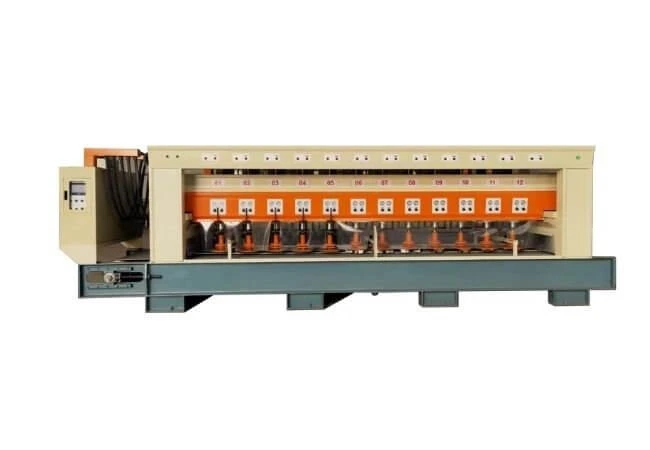
We offer a wide range of stone polishing machines to meet different needs. For example, the Mosaic Tile Polishing Machine is perfect for polishing small and intricate mosaic tiles. It provides precise and detailed polishing results.
The Terrazzo Tile Polishing Machine is designed specifically for terrazzo tiles. It can handle the unique composition and texture of terrazzo, giving it a beautiful and long - lasting shine.
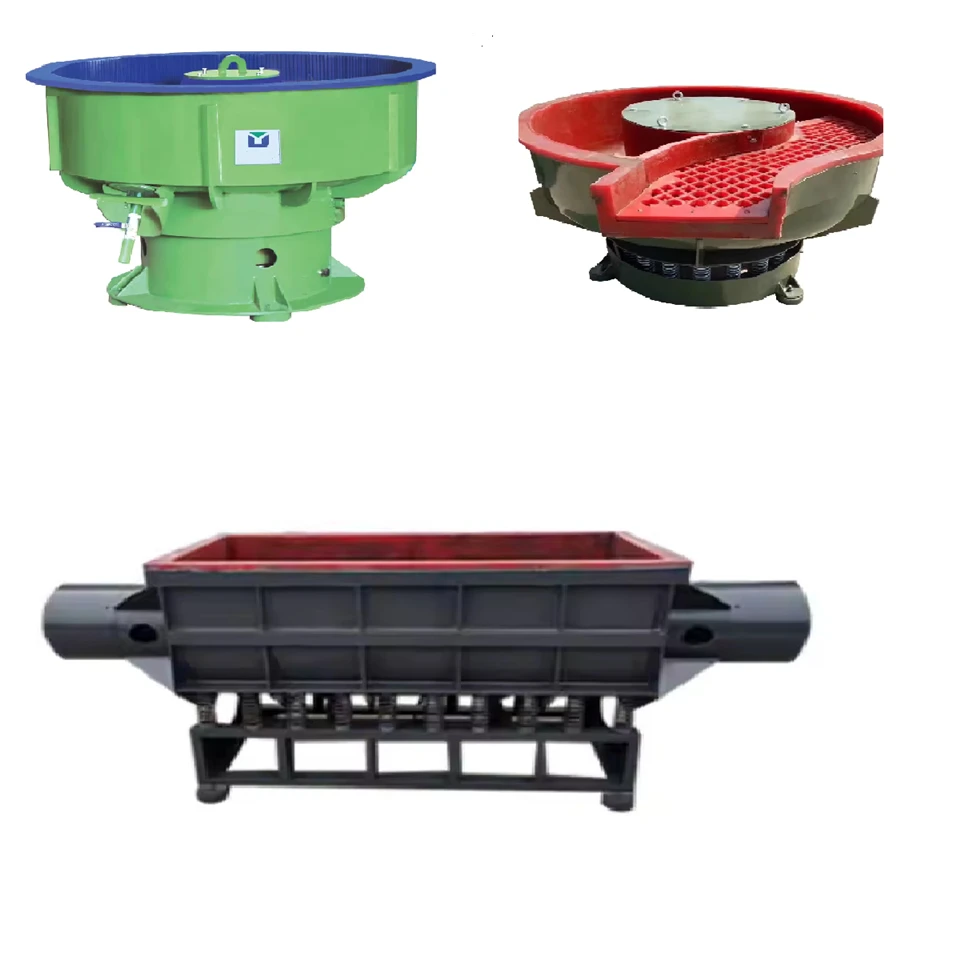
If you're looking for a machine that can handle large - scale polishing jobs, the Tumbler Vibratory Polisher Machine is a great choice. It uses vibration technology to polish stones efficiently and evenly.
Conclusion
Checking the performance of a new stone polishing machine is a multi - step process. By carefully inspecting the physical condition, power and motor performance, polishing pad and abrasive system, water or coolant system, control panel, and the final polishing results, you can ensure that the machine is in good working order.
If you're in the market for a high - quality stone polishing machine, we're here to help. We offer a wide range of machines that are reliable, efficient, and easy to use. Contact us for more information and to discuss your specific requirements. We're always happy to assist you in finding the perfect stone polishing solution for your projects.
References
- Industry standards for stone polishing machine performance
- Manufacturer's guidelines for stone polishing machine operation and maintenance
Send Inquiry